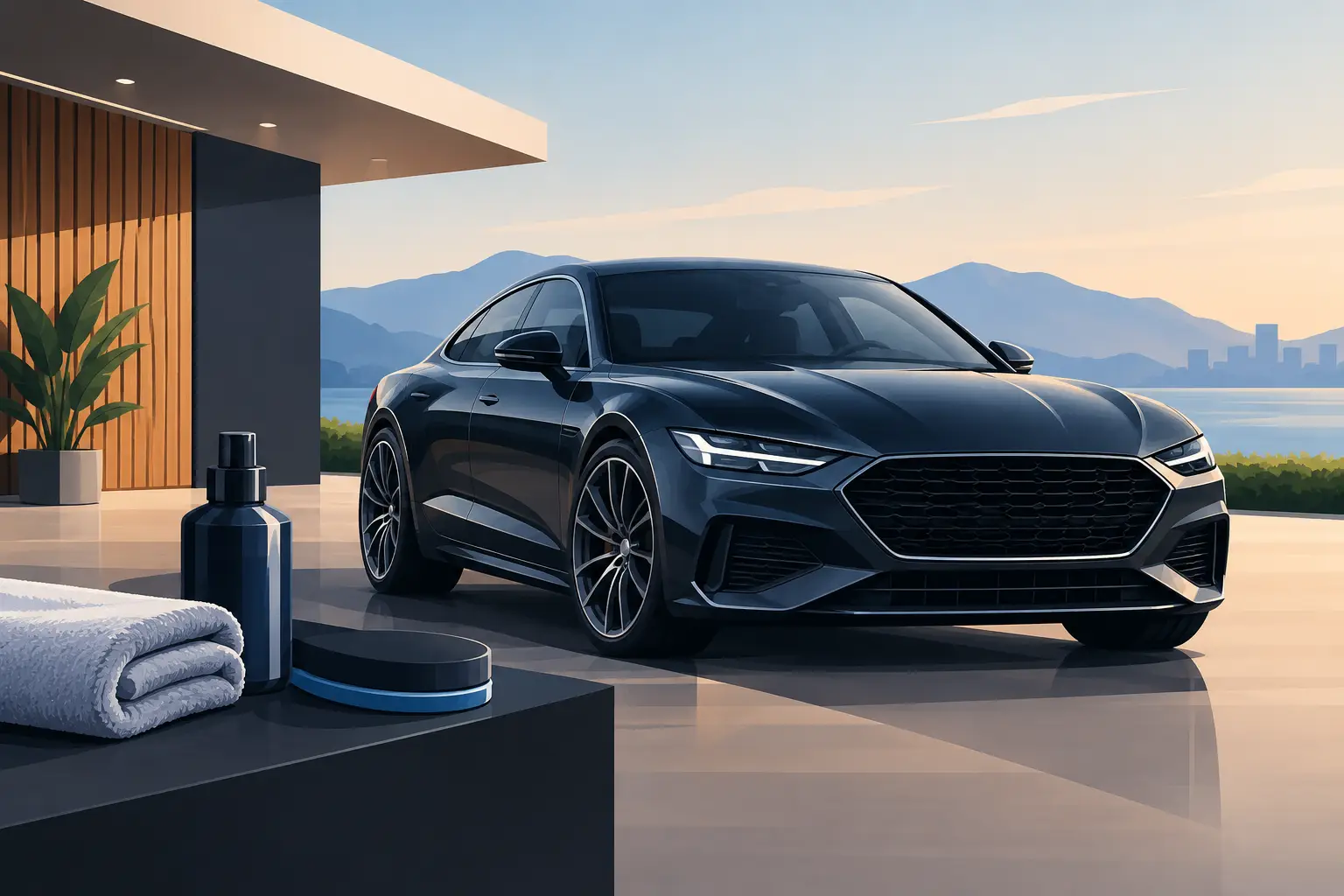
A luxury car should still turn heads after the novelty of delivery day fades. The right luxury car styling guide is not about adding every possible modification. It is about creating one intentional identity: a finish that suits the car’s lines, protects the original paint, and looks just as convincing in the parking garage as it does under midday Malaysian sun.
For some owners, that means a satin color change with gloss-black details. For others, it is a factory-plus look with paint protection film on the high-impact areas, clean window tint, and a carefully chosen bodykit. The best builds feel personal, not crowded. Every detail has a purpose.
Start With the Car’s Character
A Porsche, a luxury SUV, a performance sedan, and a grand tourer do not ask for the same styling language. Before choosing a color or finish, look at the vehicle’s proportions. Is it sharp and aggressive, smooth and elegant, or athletic but understated? Your styling choices should amplify that character rather than fight it.
A coupe with sculpted body lines can carry a bold metallic wrap or forged-carbon accents beautifully. A refined executive sedan often looks stronger with a deep gloss, satin neutral, or a subtle color-shifting film used with restraint. SUVs have more visual mass, so darker roof treatments, contrasting trim, and well-fitted body upgrades can make them look lower, wider, and more planted.
This is where restraint becomes a luxury. A rare color does not need loud graphics to stand out. Likewise, an aggressive bodykit can lose its impact if every surface is wrapped in a different texture. Choose a central idea, then let the details support it.
Choose a Finish Before You Choose a Color
Color gets the attention, but finish determines how the car behaves in light. It changes whether the vehicle feels elegant, stealthy, technical, or dramatic.
Gloss vinyl is ideal for owners who want a rich, paint-like appearance with maximum reflectivity. It works especially well for vivid colors, deep blacks, and classic tones that deserve a clean, polished look. A quality gloss wrap can refresh a tired factory color without committing to a permanent repaint.
Matte finishes absorb light and create a more deliberate, stealth-inspired presence. They suit performance-focused vehicles and angular designs, although they require thoughtful maintenance because improper washing can leave marks. Satin sits between gloss and matte, delivering a soft sheen that emphasizes body contours without the mirror-like reflection of gloss. It is one of the most versatile choices for modern luxury cars.
Metallic and special-effect finishes bring another layer of depth. Under sunlight, a metallic wrap can reveal movement and dimension that a flat color cannot. Color-shifting films can be striking too, but the vehicle matters. On the right car, they feel bespoke. On the wrong car or with too many contrasting accents, they can overwhelm the design.
Treat Protection as Part of the Design
Great styling should not leave your original paint exposed to stone chips, light scratches, and harsh UV. In Malaysia, heat, sudden rain, road grime, and daily highway driving make paint protection a smart part of a premium build, not an afterthought.
Paint protection film, commonly called PPF, is the choice for owners who want high-impact defense with a near-invisible finish. Modern TPU-based PPF can offer self-healing properties, meaning light surface swirls can recover with heat. Its hydrophobic surface also helps water and dirt release more easily, making the vehicle easier to maintain between washes.
Gloss PPF preserves the original paint look while adding protection. Matte PPF can transform a gloss-painted car into a stealthier finish while shielding the surface underneath. Color-infused TPU film gives owners another option: a color change with stronger protective qualities than conventional vinyl alone.
The right approach depends on how you use the car. A weekend supercar may benefit from full-front PPF or complete coverage if originality and resale condition are priorities. A daily-driven luxury SUV may call for PPF on the front bumper, hood, fenders, mirrors, door edges, and loading areas, paired with a vinyl wrap for visual transformation. There is no single correct formula. The goal is to protect the surfaces that take the most abuse while keeping the final look coherent.
Build Contrast With Trim, Wheels, and Glass
The most successful transformations often come from contrast, not excess. A body color can be elevated by changing the visual weight of the roof, grille surrounds, mirror caps, window trim, or lower accents. Gloss black creates a sharp, modern contrast against satin or light-colored wraps. Carbon fiber details can add a motorsport edge, but only when the pattern and finish complement the vehicle.
Wheels deserve the same consideration. Their finish should either blend with the car’s overall mood or provide one controlled point of contrast. A satin dark-gray wheel can ground a brightly wrapped vehicle. A brushed-metal finish can enhance a premium grand touring look. Avoid choosing wheels only because they look good in isolation. Consider brake calipers, body color, ride height, and how the wheel design fills the arch.
Window tint is equally important to the finished appearance. Beyond privacy, a well-chosen tint gives the glass a cleaner, more unified look while helping reduce cabin heat and UV exposure. For Klang Valley drivers who spend time in traffic or park outdoors, high-performance sputter or nano ceramic tint can make the cabin noticeably more comfortable without compromising the premium feel of the car.
Bodykits Need Fitment, Not Just Presence
A bodykit can give a vehicle a lower, wider, more purposeful stance. It can also ruin an otherwise clean build when the fitment is poor, the design is mismatched, or the parts make daily driving impractical.
Choose upgrades that follow the original body lines. Plug-and-play components designed for the vehicle tend to create a more integrated result than parts that require excessive cutting or improvisation. Carbon fiber front lips, side skirts, diffusers, spoilers, and replacement trim can look exceptional when they add definition rather than visual noise.
Think about real-world use before committing. A very low front lip may look incredible at a car meet but become stressful on steep ramps, speed bumps, and uneven parking entrances. If the car is driven regularly, a subtle bodykit with durable materials is often the better luxury decision. The best builds are the ones you enjoy using, not the ones you are afraid to take out.
The Details That Separate Premium From Generic
Luxury styling is often decided by what most people do not notice immediately. Clean edges around door handles and badges. Proper panel alignment. Wrapped door jambs where appropriate. No trapped dust, lifting corners, uneven cuts, or rushed seams. These are the details that determine whether a color change looks like a true transformation or a temporary cover-up.
Material authenticity matters too. Premium films are designed to perform consistently under heat and weather exposure. Installation technique matters just as much because even the best product cannot compensate for poor surface preparation or careless finishing. A professional studio should assess the paint condition, explain the realistic maintenance needs of your chosen finish, and recommend a design that fits the way you drive.
Do not overlook aftercare. Use pH-neutral wash products, avoid abrasive tools, and clean contaminants such as bird droppings promptly. Matte and satin surfaces need particular care because polishing them incorrectly can create shiny patches. A little discipline keeps a premium finish looking premium.
Make It Yours, Not Merely Different
The strongest luxury builds express the owner without chasing every trend. Maybe that means a muted satin gray with exposed carbon accents. Maybe it means a deep emerald metallic wrap that looks black in the shade and alive in the sun. Maybe it is a clean OEM-plus body conversion with protective PPF that preserves the car’s original character.
A good styling partner will help you edit your ideas, not simply add more to the car. At Project Unicorn, that design-first mindset is built around a simple belief: your vehicle can be protected, refined, and unmistakably yours at the same time. Be bold enough to be different, but precise enough to make every choice feel intentional.