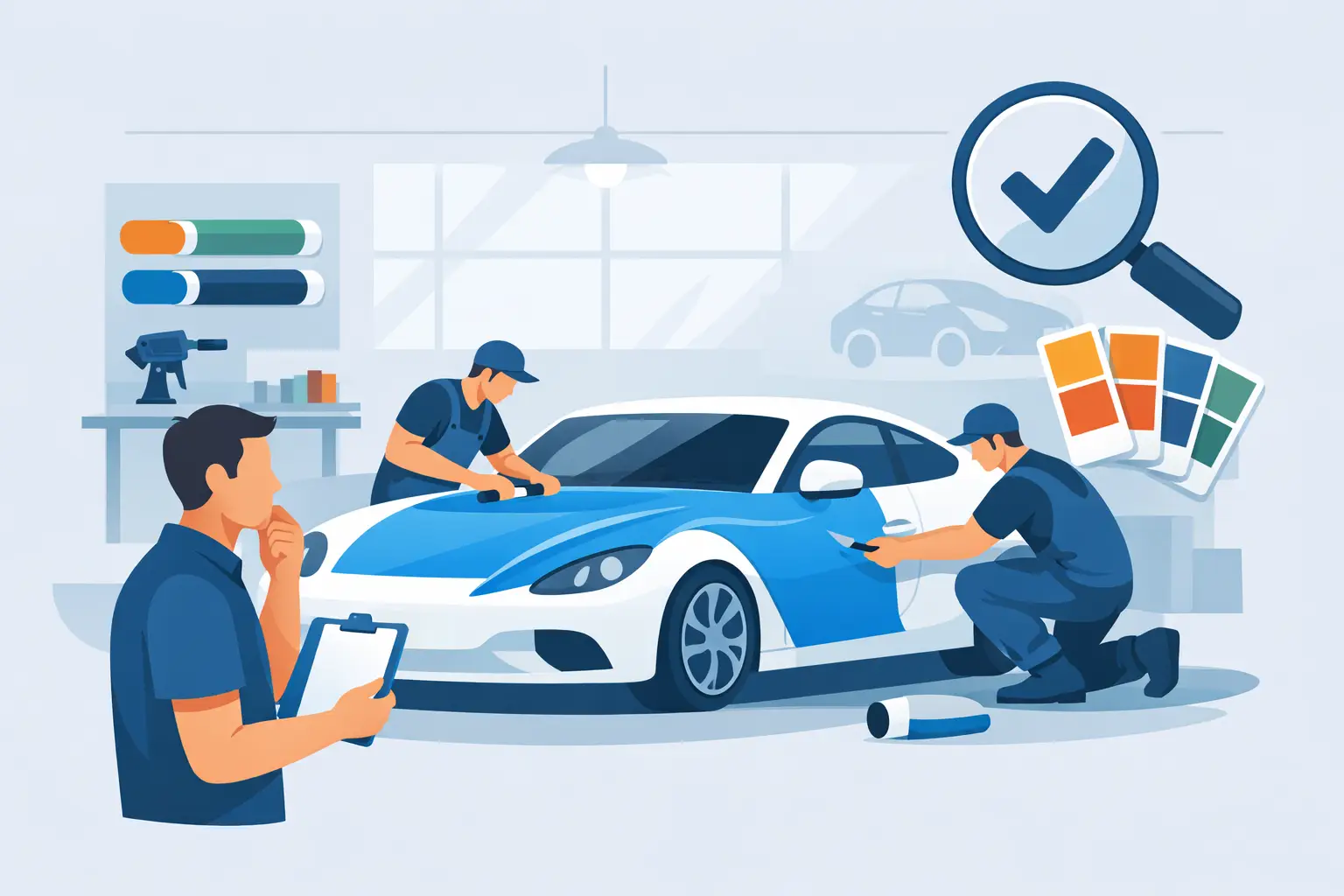
A car wrap can make the same vehicle feel completely different the moment it rolls back into daylight. The paint looks sharper, the lines look more intentional, and the whole car carries more attitude. But that result depends less on the vinyl itself and more on the car wrap shop behind it.
That is where many owners get stuck. On the surface, plenty of shops can say they do wraps. Very few can make a daily driver look refined, a performance build look intentional, and a luxury car still look factory-level clean after the install is done. If you care about how your car looks six months from now, not just on delivery day, choosing the right shop matters.
What a premium car wrap shop actually does
A proper wrap job is not just about applying film over paint. It is part styling, part surface preparation, and part craftsmanship. The best result comes from understanding how each body line, curve, edge, and panel should carry the material so the finish looks clean rather than forced.
A premium car wrap shop also knows that different owners want different outcomes. Some want a full color change that feels bold but tasteful. Some want a satin or matte finish that gives the car a more modern presence. Others want custom graphics that turn the car into a personal statement. The real skill is not simply offering options. It is guiding the choice so the finished car still feels cohesive.
That matters even more in a climate like Malaysia. Heat, UV exposure, road grime, and daily driving conditions all affect how materials perform over time. A shop that understands local conditions will recommend products and finishing methods that suit real-world use, not just showroom photos.
The signs of a car wrap shop worth trusting
The first thing to look for is finish quality, not marketing language. Good wrap work should look deliberate from every angle. Edges should be neat. Corners should sit properly. Recessed areas should not show early lifting. The film should follow the car’s shape naturally, without bunching, stretching marks, or uneven alignment.
The second sign is how the shop talks about preparation. Wrapping over a poorly prepared surface is asking for disappointment. Dirt trapped under film, leftover wax, old contamination, or neglected paint defects can all affect adhesion and appearance. A serious studio treats prep as part of the craft, not an optional extra.
The third sign is material authenticity. Premium vinyl and protection films behave differently from lower-grade products. They conform better, finish cleaner, and hold their appearance longer when installed correctly. That does not mean every car needs the same solution. It means the shop should be able to explain why one material fits your goals better than another.
Then there is design judgment. This is underrated. A shop can have access to thousands of finishes, but if they cannot help you narrow the right shade, texture, or styling direction for your specific model, the end result may feel trendy for a week and dated after that. Great shops do not just install. They curate.
Why installation quality shows up later
A lot of wrap jobs look acceptable in photos taken on delivery day. The real test comes later, when the car has been parked in the sun, washed a few times, and driven through normal roads and weather.
Poor installation tends to reveal itself slowly. You may start seeing edges that lift around aggressive curves. Door handle recesses may begin to fail. Seams that were hidden poorly become easier to notice. Panels may stop matching evenly if the material was overstretched or the layout was rushed.
That is why experience matters, especially on vehicles with complex body shapes. A shop that works on everything from everyday sedans to high-end performance cars usually develops better discipline around panel planning, disassembly decisions, edge finishing, and overall consistency. Those details are invisible when done well, which is exactly the point.
Materials matter, but only in the right hands
Car owners often ask whether they should choose vinyl wrap or paint protection film. The honest answer is that it depends on the goal.
If your focus is visual transformation, premium color change vinyl is often the most direct path. It gives you access to a huge range of gloss, satin, matte, metallic, and specialty finishes without committing to a permanent repaint. It is ideal when you want a fresh identity for the car.
If your focus leans more toward preserving the surface from chips, light scratches, and everyday abuse, paint protection film makes more sense. Modern TPU-based films bring self-healing and hydrophobic benefits that suit owners who want the car to stay cleaner-looking and better protected. There are also newer color-infused film options for drivers who want protection and visual change together.
But here is the trade-off. Even premium material cannot rescue poor workmanship. The best film installed carelessly still produces a disappointing finish. On the other hand, a highly skilled team can maximize the appearance and durability of quality material because they understand stretch limits, patterning, panel balance, and edge management.
Questions you should ask before choosing a car wrap shop
You do not need to speak like an installer to judge a shop well. You just need to ask the right things and listen to how they answer.
Ask what kind of prep is done before the wrap goes on. Ask how they approach tricky areas like bumpers, mirrors, handles, and deep recesses. Ask what materials they work with and why they recommend one finish over another for your car. Ask how they advise owners on aftercare once the vehicle leaves the studio.
Pay attention to whether the answers feel rushed or thoughtful. A premium studio should be able to explain technical points in simple language. If everything sounds vague, overly casual, or focused only on the final look without mentioning process, that is a warning sign.
It also helps to look at the type of vehicles they regularly handle. A shop that can produce clean, confident work on both daily-driven cars and exotics usually understands how to adapt its process without compromising standards. That range says a lot.
Style should fit the car and the owner
One of the biggest mistakes people make is choosing a wrap color because it looks dramatic online, not because it suits the car in front of them. A great finish should work with the body shape, wheel design, trim details, and the personality of the owner.
A sleek sports coupe may suit a satin metallic that highlights movement and contour. A luxury SUV may look stronger in a deep gloss tone with subtle sophistication rather than something loud. A custom design can be incredible, but only when it feels intentional instead of crowded.
This is where a design-led studio stands apart from a generic workshop. The goal is not to put film on a car. The goal is to transform the vehicle into something more distinctive without losing its identity. That balance is what makes people look twice.
Aftercare is part of the ownership experience
A quality car wrap shop should also prepare you for what comes after installation. Wraps and films are durable, but they are not maintenance-free. How you wash the vehicle, where you park, and how quickly you remove contaminants all influence how the finish ages.
That does not mean ownership becomes difficult. It means expectations should be clear. Matte and satin finishes, for example, have a different care profile than gloss surfaces. Protection films may offer self-healing benefits, but they still deserve proper washing habits. Tint performance, surface hydrophobicity, and long-term finish quality all work best when the owner understands basic upkeep.
Good after-sales support matters here. A premium studio should not disappear once the car is handed over. The best ownership experience comes from knowing you can return with questions, check on minor concerns, and get guidance that protects your investment.
The right shop changes more than the car
Choosing the right car wrap shop is really about choosing the standard you want to live with every day. A rushed job might look exciting at first, but small flaws become impossible to ignore once the novelty wears off. A carefully executed transformation feels better every time you approach the car.
That is why the best shops are never just installers. They are part stylist, part technician, and part long-term partner in how your vehicle presents itself on the road. For owners who see their car as more than transport, that difference is everything.
At a studio like Project Unicorn, that mindset is simple – your car should feel personal, polished, and built to stand out for the right reasons. Choose the team that respects both the art and the details, and your next drive will feel like more than a routine trip home.