A stone chip on the hood, clear coat fading under the sun, or simply a factory color that no longer feels like you – each can spark the same question: repainting versus vinyl wrapping, which is the smarter move? The answer is not just about getting a fresh color. It is about how you use your car, how much originality matters to you, and whether you want a permanent restoration or a reversible new identity.
For drivers who see their vehicle as a personal statement, the difference matters. A well-executed repaint can restore a tired body to life. A premium vinyl wrap can turn a familiar sedan, SUV, or performance car into something unmistakably yours while preserving the paint beneath. Here is how to make the right call.
Repainting Versus Vinyl Wrapping: The Core Difference
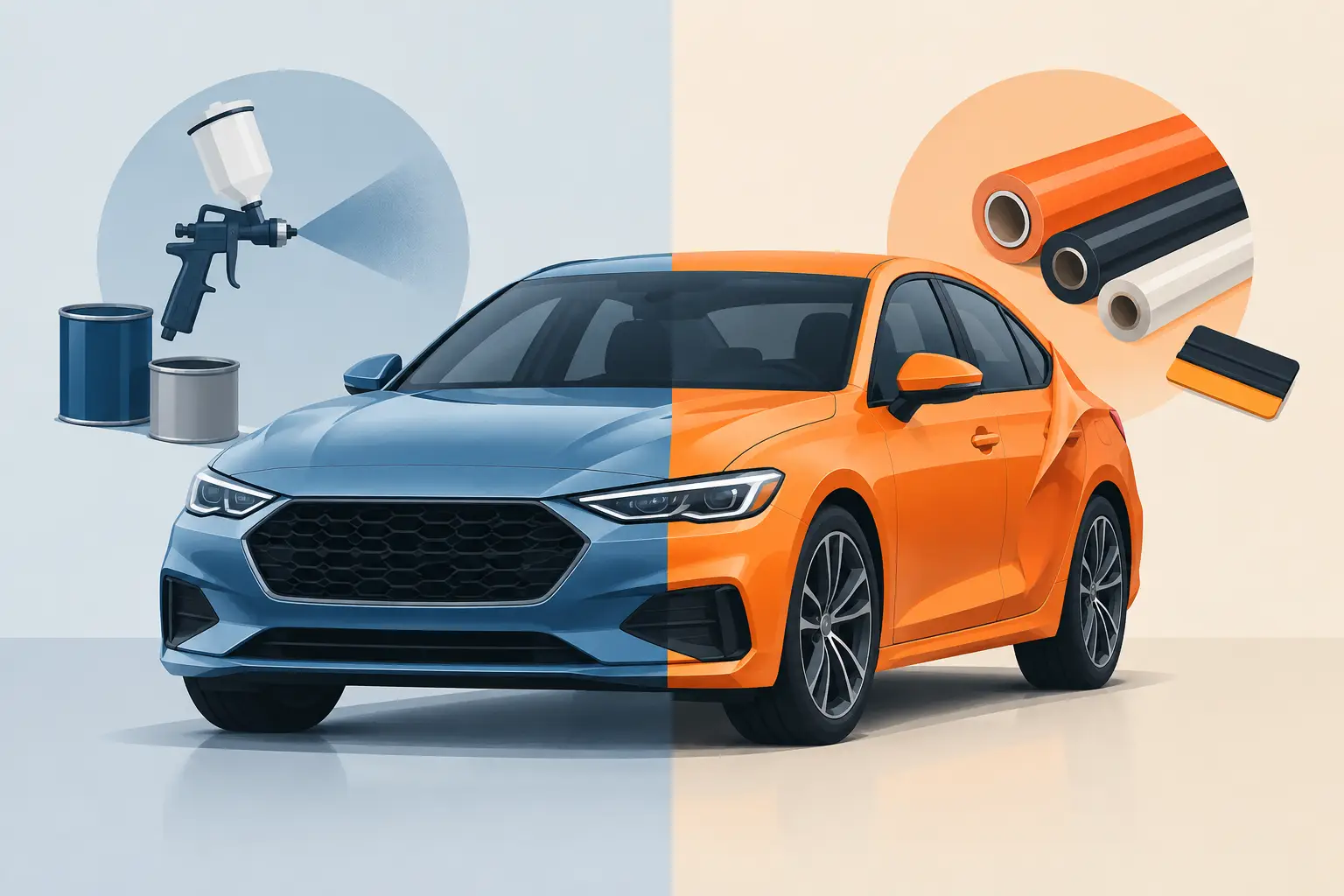
Repainting changes the vehicle permanently. The existing finish is prepared, repaired where necessary, primed, painted, and clear-coated. When completed to a high standard, it can look factory-fresh or even better than factory. It is often the right route when the original paint has failed, corrosion needs attention, or bodywork requires a true repair.
Vinyl wrapping applies a colored film over the existing paint. The original color stays underneath, and the wrap can be removed later by a skilled installer. That reversibility is a major advantage for owners who enjoy changing their style, want to retain the factory finish, or plan to sell the car without committing the next owner to a bold color choice.
Neither option is automatically superior. A repaint is restoration. A wrap is transformation with an exit strategy.
When Repainting Makes More Sense
A quality repaint earns its place when the paint itself is beyond saving. Severe clear coat peeling, widespread oxidation, rust treatment, deep dents, or previous accident repairs cannot be hidden responsibly under vinyl. Wrapping over unstable paint can create problems later, particularly if the paint begins lifting when the film is removed.
Repainting also makes sense when you want to return a vehicle to its original factory color after extensive damage or when you are restoring an older car. Proper paintwork addresses the surface at its source. It does not just change what you see from the outside.
That said, repaint quality varies dramatically. Color matching, panel preparation, dust control, curing, orange peel, and clear-coat depth all affect the final result. A cheap repaint can look acceptable at a distance but reveal uneven texture, poor edges, and mismatched panels under sunlight. On a premium vehicle, those details are impossible to ignore.
There is another practical consideration: a color-change repaint is a permanent decision. If the door jambs, engine bay, trunk openings, and inner edges are not painted, the original color remains visible when doors or panels are open. Painting those areas creates a more complete result, but it also makes the job far more involved.
Why Vinyl Wrapping Has Become the Modern Color-Change Choice
Vinyl wrapping gives car owners remarkable creative range without permanently altering the factory finish. Gloss, satin, matte, metallic, pearlescent, color-shifting, and textured finishes let you go far beyond a standard paint chart. A deep satin charcoal can make an executive SUV look more purposeful. A refined metallic blue can bring out the curves of a sports coupe. A full custom graphic can make a build entirely your own.
For many newer vehicles with healthy original paint, this is the more strategic choice. The factory coating remains protected from daily UV exposure, light abrasions, and road grime while the wrap takes the visual spotlight. When it is time for a new look, the old film can be professionally removed and replaced.
A wrap is also more flexible when your taste changes. You may love a matte finish today and want a gloss metallic appearance two years from now. With paint, that change means another permanent process. With vinyl, you can evolve the car without erasing its original identity.
This is especially appealing for enthusiasts who want their car to stand out without making an irreversible move. It is also useful for leased vehicles or owners who may eventually want to return to the factory appearance.
Finish, Depth, and Real-World Appearance
Paint and vinyl do not reflect light in exactly the same way. High-quality paint can offer exceptional depth, especially with multi-stage colors and carefully polished clear coat. For collectors pursuing a period-correct restoration or an exact factory finish, paint remains hard to replace.
But modern premium vinyl has closed the visual gap significantly. From a normal viewing distance, a professionally installed wrap can look remarkably refined. The key words are professionally installed. Clean panel edges, careful tucking, proper post-heating, and intelligent panel planning determine whether the car looks studio-built or rushed.
Wraps also create finishes that would be difficult, costly, or impractical to replicate in paint. Satin is a favorite because it sits between gloss and matte, giving body lines a smooth, premium presence without excessive shine. Matte finishes make a strong statement, though they need more disciplined maintenance because polishing is not an option in the same way it is with gloss paint.
If you want the deepest possible paint-like gloss, the quality of both the material and installation matters. Cheap films can look flat, shrink early, or fade under intense sun. Authenticated premium materials are designed to hold their color and finish far better through Malaysia’s heat, rain, and daily traffic conditions.
Protection: Know What a Color Wrap Can and Cannot Do
A vinyl color wrap provides a useful sacrificial layer between the outside world and your paint. It can help reduce light scuffs, minor swirl marks, sun exposure, and the wear that comes from daily washing. This makes it a strong option for preserving a good factory finish while changing the car’s appearance.
However, vinyl is not the same as paint protection film. It is thinner and is not designed to offer the same defense against stone chips, deeper scratches, or impact. If your priority is maximum protection for a high-value paint finish, a TPU paint protection film is the more suitable material. It is engineered for tougher road abuse and can offer self-healing and hydrophobic properties depending on the film.
For some owners, the right answer is a combination: a color-change wrap for visual impact and targeted protection in high-risk areas where the vehicle faces the most abuse. The best setup depends on the car, its mileage, where it is driven, and how much protection you expect from the surface film.
Resale Value and Original Paint
Original factory paint is valuable because it tells a cleaner story about the car. Buyers often look closely for evidence of accident repair, repainting, or inconsistent panel colors. A removable wrap allows you to enjoy a dramatic transformation while keeping that original finish underneath, provided the paint was healthy before installation and the wrap is removed correctly.
A repaint does not automatically hurt resale value. If it was necessary, expertly done, and properly documented, it may improve the appeal of a vehicle with damaged or deteriorated paint. But a full color change can narrow the buyer pool, particularly for enthusiast or luxury vehicles where factory specification matters.
Before wrapping, be honest about the condition of the paint. Fresh but poorly bonded aftermarket paint, peeling clear coat, and damaged areas need inspection first. A responsible studio will not treat vinyl as a shortcut around underlying paint problems.
Maintenance Changes With the Finish
Both options benefit from careful washing, but their maintenance needs are different. Gloss paint can be polished to correct light defects over time. Matte and satin wraps cannot be treated the same way, because abrasive polishing can create shiny patches and ruin the uniform finish.
Hand washing with pH-neutral products is the safest habit for wrapped and painted vehicles alike. Avoid harsh solvents, aggressive brushes, and leaving bird droppings or tree sap on the surface for too long. Heat and contaminants are unforgiving, especially when a car spends long hours outdoors.
For a wrapped car, edge care matters too. Do not aim high-pressure water directly at film seams or lifted corners. Small details like this can make a major difference in how long the installation continues to look sharp.
The Best Choice Depends on the Story You Want Your Car to Tell
Choose repainting when the paint needs genuine restoration, repairs must be addressed properly, or you want a permanent finish built into the vehicle. Choose vinyl wrapping when the original paint is in good condition and you want creative freedom, reversibility, and an extra layer between your factory finish and the road.
At Project Unicorn, the conversation starts with the car in front of us, not a one-size-fits-all answer. A clean factory paint surface may be the perfect canvas for a bold new wrap. A neglected finish may deserve proper repair before any styling begins.
Before committing, inspect your paint in direct sunlight and ask yourself one honest question: do you need to fix the car you have, or reveal the car you have always wanted? That distinction will point you toward the finish that feels right every time you walk back to your vehicle.