A supercar already has presence. The wrong finish can flatten it, cheapen its lines, or make an exceptional design look like an afterthought. The right supercar wrapping, however, does the opposite: it sharpens every curve, makes the car feel personal, and helps preserve the paint beneath the surface.
For owners who see their Ferrari, Lamborghini, Porsche, or performance SUV as more than transport, wrapping is not simply about changing color. It is a design decision and a protection strategy. Done properly, it can turn a familiar factory finish into something unmistakably yours without committing the car to a permanent repaint.
Why Supercar Wrapping Demands More Than a Color Choice
A supercar exposes every mistake. Its low stance, aggressive vents, sculpted bumpers, carbon fiber details, and tightly formed panels leave little room for rushed workmanship. A wrinkle around an intake, a lifted edge near a door handle, or visible cut lines can distract from the entire vehicle.
That is why premium wrapping begins long before the film touches the car. The vehicle needs a detailed inspection, careful surface preparation, and a plan for how each panel will be approached. On an exotic vehicle, the goal is not merely to cover paint. It is to make the finish look intentional from every angle, including the angles other installers hope you never inspect.
The best result respects the original design language. A satin dark gray can make a wide-body silhouette look more technical. A deep metallic blue can bring movement to the curves of a grand tourer. A color-flip finish can create drama, but only when the vehicle and the owner’s personality can carry it. Not every finish belongs on every car.
Choosing a Finish for Your Supercar Wrapping
The finish you choose sets the mood before the engine even starts. With thousands of available colors and textures, the smart decision is not always the loudest one.
Gloss: The factory-plus look
Gloss vinyl is ideal for owners who want a rich, paint-like appearance with a fresh identity. It suits modern supercars particularly well because it keeps the bodywork crisp while delivering a color that may not be available from the factory. Gloss wraps can range from clean solid shades to metallic finishes with greater depth under sunlight.
This is often the safest choice for a car that still needs to look at home at a hotel entrance, business meeting, or weekend drive. It is refined, but it does not have to be ordinary.
Satin: Sophisticated with an edge
Satin sits between gloss and matte. It softens reflections without removing the visual depth of the body lines, creating a smooth, expensive appearance that photographs beautifully and looks even better in person.
For many owners, satin is the sweet spot. It has more character than gloss and is generally more forgiving than a full matte finish when it comes to everyday visual upkeep. On a Lamborghini Urus, Porsche 911, or Ferrari Roma, satin can feel purposeful without shouting for attention.
Matte: Bold, architectural, and high-maintenance in character
Matte wraps create a dramatic, low-reflection look. They emphasize form, especially on cars with strong creases and angular aero elements. Black, military green, gray, and muted earth tones can all look serious and highly customized in matte.
There is a trade-off. Matte finishes need the right care products and cleaning habits to maintain an even appearance. Smudges, oily marks, and incorrect detailing products can be more noticeable than they are on gloss. A quality installation matters, but ownership habits matter too.
Metallic, textured, and custom finishes
Metallic wraps can add depth that changes with the light. Brushed-metal effects, forged carbon-inspired patterns, and custom graphics can make a vehicle feel truly one-off. These styles work best when the details are coordinated, from badges and trim to wheel finish and interior accents.
Custom does not mean adding everything at once. Sometimes a carefully selected roof wrap, contrast mirrors, or a restrained stripe package is more powerful than covering every panel in a complex graphic. A supercar should look designed, not decorated.
Vinyl Wrap vs. Color TPU PPF: Know the Difference
Vinyl wrapping is primarily a color and styling solution. It offers an extensive choice of finishes and can help shield the original paint from light wear, but it is not built to take the same punishment as dedicated paint protection film.
Paint protection film, commonly called PPF, is designed for stronger defense against stone chips, road debris, minor scuffs, and harsh environmental exposure. High-quality TPU PPF can feature self-healing properties, meaning fine surface marks can reduce with heat, along with hydrophobic qualities that help water and grime release more easily.
For a supercar driven regularly on Malaysian highways or through unpredictable tropical weather, PPF can be the smarter option for high-impact areas. The front bumper, hood, front fenders, mirrors, rocker panels, and rear arches are common zones where debris can leave its mark.
Color-infused TPU PPF brings both worlds closer together. It gives owners a new color while providing the deeper protective characteristics associated with PPF. It is a premium choice for someone who wants a dramatic transformation but is equally focused on preserving the car for the long term.
The right material depends on how the car is used. A weekend showpiece may prioritize rare vinyl finishes and visual expression. A frequently driven supercar, especially one facing highway mileage, rain, heat, and gravel, may benefit from a color PPF approach. There is no universal answer, only the right answer for your ownership style.
The Details That Separate a Premium Installation
The quality of a wrap is often decided in places most people do not see immediately. Door jambs, panel gaps, badges, sensor areas, vents, and complex bumper contours all require patience and planning.
A proper installation should use clean techniques that protect the factory paint. Whenever possible, film should be tucked and finished thoughtfully so exposed edges are minimized. Complex areas may require carefully considered seams because forcing a single piece of film over extreme curves can create tension and reduce long-term durability. A visible seam is not automatically poor work. A poorly placed or poorly finished seam is.
Preparation is equally important. Dirt, wax residue, tar, and contamination can affect adhesion and leave imperfections beneath the film. An experienced studio treats preparation as part of the craft, not an optional extra.
At Project Unicorn, the philosophy is simple: a supercar transformation should look exceptional on collection day and remain convincing after real-world driving. That means matching creative ambition with materials and installation methods worthy of the vehicle.
Do Not Ignore Heat, UV, and Daily Use
A supercar can spend more time parked than driven, but that does not mean it is protected from the environment. Strong UV exposure can affect exterior surfaces over time, while heat, rainfall, road grime, and bird droppings all challenge a vehicle’s finish.
Wrapping can help preserve the original paint underneath, particularly when the film is professionally installed and maintained. It also gives future owners the option of returning to the factory color when the wrap is removed correctly. For collectors and resale-conscious owners, this flexibility is part of the appeal.
Still, a wrap is not invincible. It needs sensible washing, prompt removal of contaminants, and attention to damaged areas. Avoid abrasive brushes, harsh chemicals, and inexperienced detailers who may treat wrapped panels like ordinary paint. If the car is ceramic-coated, the product should also be compatible with the specific wrap or PPF finish.
How to Plan a Supercar Transformation That Ages Well
Start with the question: what do you want the car to say? Some owners want a stealthier, more technical presence. Others want to make a limited-edition machine impossible to miss. Both directions can work, but a cohesive plan will always look more premium than a collection of random modifications.
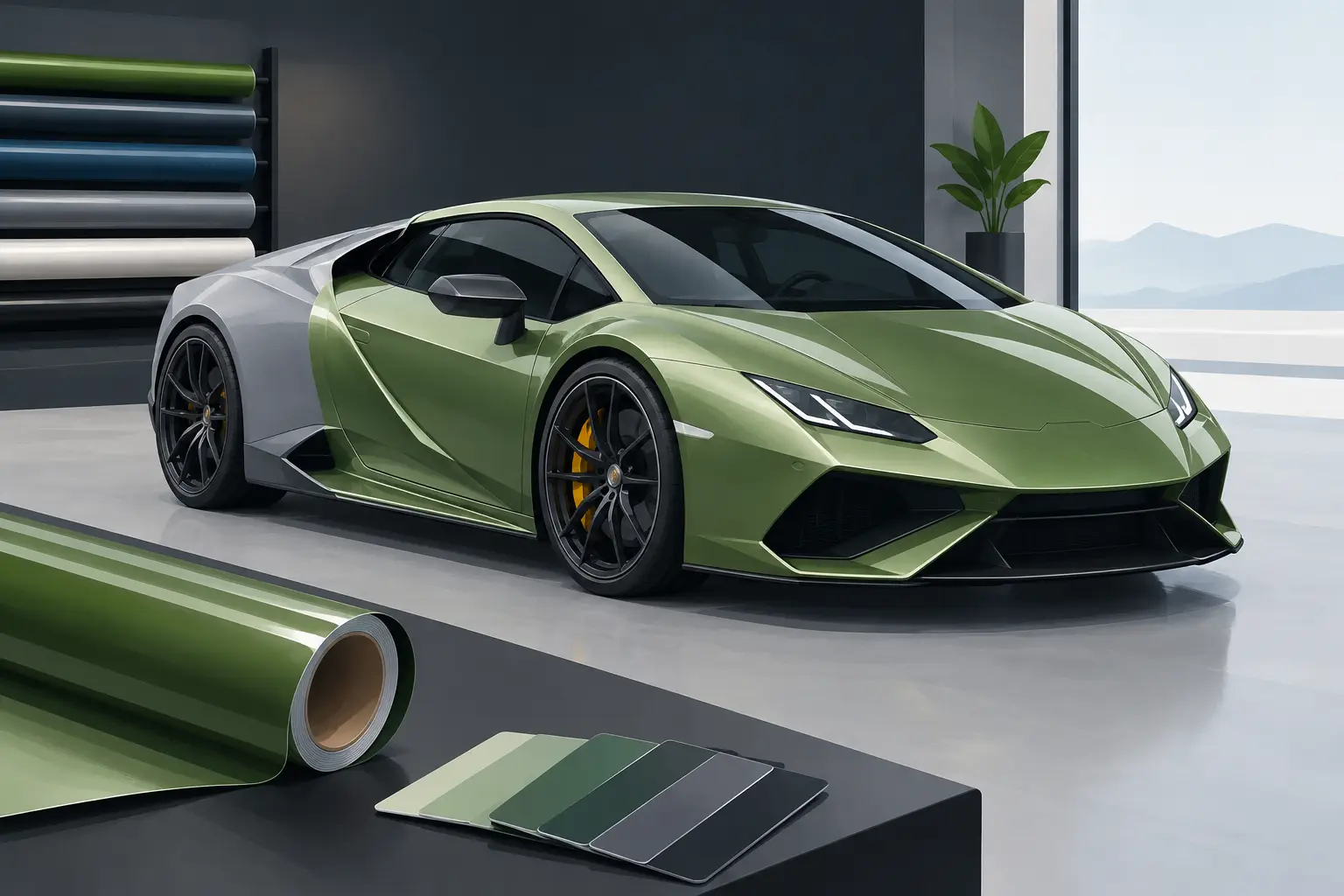
Consider the wheel color, brake calipers, carbon fiber, existing chrome or black trim, and interior accents. A satin olive wrap may pair brilliantly with exposed carbon and dark wheels, while a bright gloss finish may call for cleaner, more restrained supporting details. The best transformations create visual harmony rather than competition between parts.
Also think beyond the first month. A trend-led finish can be exciting, but will you still enjoy it after a year? A sophisticated wrap does not need to be conservative. It simply needs to feel like your car, not someone else’s social media moment.
Your supercar deserves more than a new surface. It deserves a finish that protects what made you choose it in the first place, while making every glance back after parking feel completely justified. Be unique. Be Unicorn.