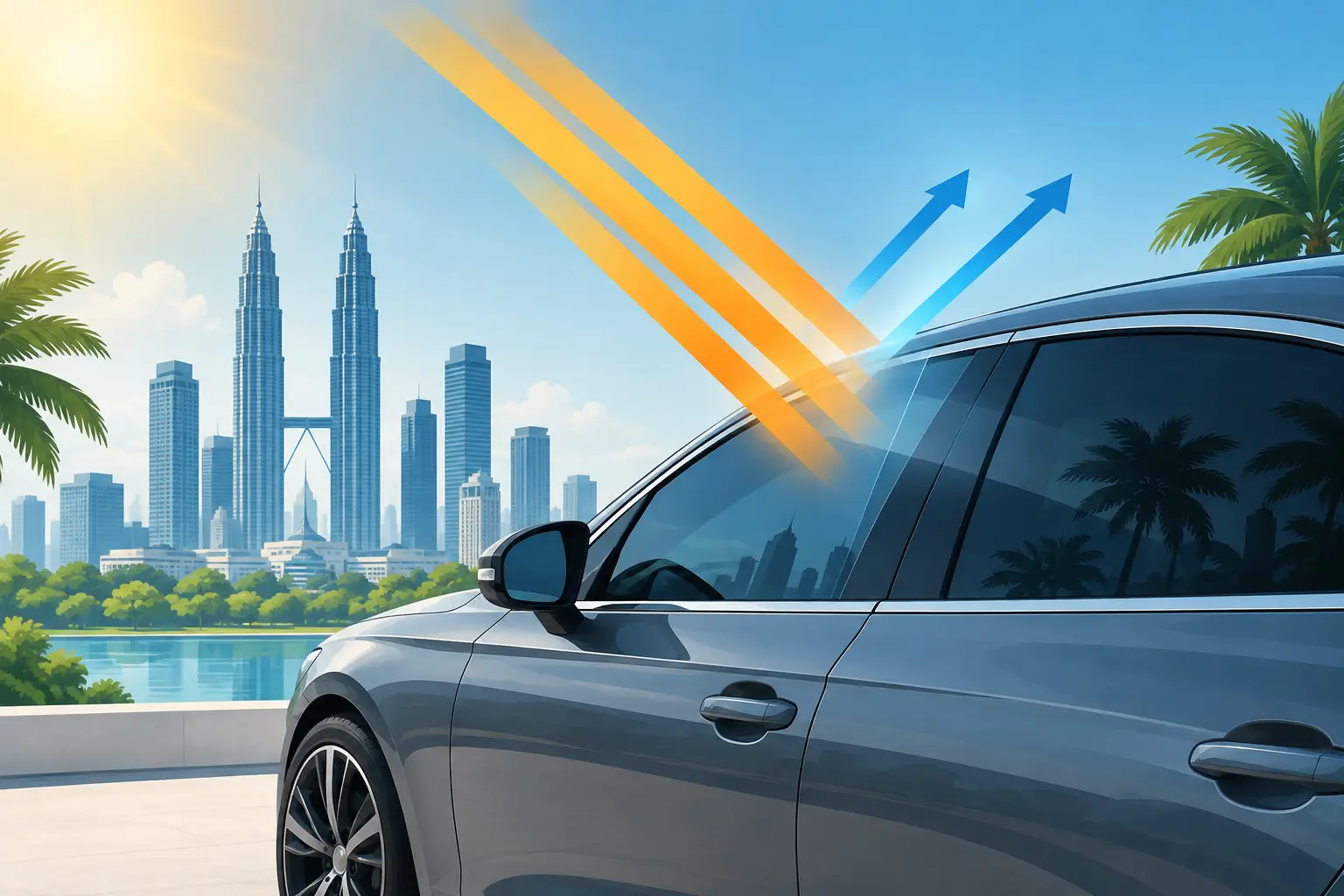
A car parked outside for one lunch meeting can feel like an oven by the time you return. That is where sputter tint performance becomes more than a spec sheet. For Malaysian drivers, the right window film changes how the cabin feels in traffic, how hard the air conditioning has to work, and how well the interior stands up to years of sun exposure.
Sputter tint is often chosen by owners who want a clean, premium look with serious heat management – without turning every window into a dark mirror. But not all sputter films perform alike, and the final result depends on more than the film name. The glass, the shade selected, the installation quality, and your everyday driving habits all shape what you experience behind the wheel.
What Makes Sputter Tint Different?
Sputter window film uses an advanced process that deposits extremely fine metallic particles onto the film. These microscopic layers are designed to reflect and reject a portion of solar energy before it enters the cabin. The result is a film that can offer strong heat rejection while retaining a refined appearance from the outside.
Think of it as a precision-built heat shield rather than simply a darker layer on the glass. A dark film can reduce visible light, but darkness alone does not tell you how effectively a tint manages solar heat. Sputter films are engineered to address heat energy, glare, and UV exposure together.
For drivers who want their sedan, SUV, or performance car to look sharp without an overly flashy finish, sputter tint can sit in a very appealing middle ground. Many films have a subtle neutral tone that complements modern paint colors, satin wraps, gloss finishes, and factory trim rather than fighting for attention.
How Sputter Tint Performance Feels on the Road
The first thing most owners notice is not a number. It is the difference in cabin comfort. When the sun is high and traffic is barely moving, a quality sputter tint can reduce that harsh radiant heat you feel on your arm, face, and legs through the side glass.
That does not mean the cabin will stay cold after hours under direct sun. No window film can completely defeat tropical heat, especially when a vehicle has a large windshield, panoramic roof, dark interior, or black exterior. What a well-chosen sputter film does is reduce the heat load, so the air conditioning can bring the cabin back to a comfortable temperature with less effort.
Glare control is another everyday benefit. Bright reflections from wet roads, concrete surfaces, and surrounding vehicles can make a drive more tiring than it needs to be. The appropriate shade helps soften that glare while maintaining the outward visibility you need for rain, night driving, and parking in tight urban spaces.
Then there is UV protection. High-quality automotive films can block a substantial amount of ultraviolet radiation, helping protect skin and slowing the fading and aging of leather, plastics, dashboards, and trim. This matters for every car, but especially for owners preserving a carefully finished interior or protecting the resale appeal of a premium vehicle.
Heat Rejection Numbers Need Context
Tint marketing often puts infrared rejection at the center of the conversation. Infrared performance matters, but it is only one part of the heat picture. Solar energy includes visible light, infrared energy, and ultraviolet radiation. A film can advertise an impressive infrared figure while its overall solar heat rejection is more modest.
When comparing options, look at total solar energy rejected, visible light transmission, UV rejection, and glare reduction as a complete package. Total solar energy rejected gives a broader view of how much solar energy the film can keep from entering through the glass. Visible light transmission tells you how light or dark the film will appear and how much natural light reaches the cabin.
The best choice is not automatically the highest number. A driver who travels frequently at night may prefer a lighter, clearer film with strong heat performance. Someone with a bright, glass-heavy SUV may prioritize maximum heat management on the rear and side windows. Your ideal setup should match the car and the way you use it.
Sputter Film vs. Nano Ceramic Film
Both sputter and nano ceramic tint are premium technologies, but they solve the heat problem differently. Sputter film relies on finely deposited metallic layers. Nano ceramic film uses non-metallic ceramic particles to manage heat while remaining highly clear and generally more signal-friendly.
Sputter tint can be an excellent option when you want impressive heat rejection, a polished appearance, and a film that adds visual depth to the glass. Its metallic construction, however, can sometimes affect radio, GPS, SmartTAG, mobile reception, or other electronic signals depending on the product, vehicle, and coverage area. This is not a universal issue, but it is worth discussing before installation – particularly if you rely heavily on in-car connectivity.
Nano ceramic tint is often favored by owners who want high heat rejection with minimal concern about electronic interference. It can also be a strong choice for windshields and vehicles loaded with modern driver-assistance sensors. The trade-off is that the right technology depends on your priorities, not on a one-size-fits-all claim that one is always better.
A proper recommendation considers your car’s glass layout, cabin color, parking conditions, driving hours, and desired finish. That is the studio approach: build a tint package around the vehicle rather than applying the same shade to every car that arrives.
The Installation Is Part of the Performance
A premium film installed carelessly will never look or perform like a premium job. Clean preparation, precise computer-cut patterns or skilled hand finishing, correct edge work, and controlled curing all matter. Dust contamination, trapped moisture, uneven edges, and poor alignment are not small cosmetic issues. They can undermine the entire ownership experience every time you look through the glass.
The windshield needs especially careful judgment. It is the largest source of forward visibility and a major point of heat entry, but it is also where legal requirements, visibility, sensors, and driving safety need to be respected. The best windshield tint should feel almost invisible while helping reduce glare and heat.
After installation, allow the film to cure properly. A light haze or small water pockets may appear during the early curing period, particularly in humid conditions. Avoid rolling down treated windows until the installer advises that it is safe. Do not judge the final clarity too quickly – give the film time to settle.
Choosing the Right Tint Shade for Your Car
Shade is where aesthetics and practicality meet. A darker tint can create a more private, aggressive look and reduce visible glare, but it may make night visibility more challenging. A lighter tint can preserve a bright, open cabin and a factory-plus appearance while still delivering meaningful heat and UV benefits when paired with the right film technology.
Consider the character of the vehicle. A blacked-out performance build may suit a more dramatic look. A luxury sedan may call for an elegant, neutral shade that preserves its executive presence. A car with a color change wrap or color-infused PPF should be viewed as a full design composition – paint finish, wheels, trim, and glass all need to speak the same visual language.
Most importantly, choose a setup that complies with applicable local tint regulations. A premium installation should never force you to choose between comfort, style, and peace of mind on the road.
Make the Glass Work as Hard as the Rest of the Car
Window tint is often treated as an afterthought after a wrap, PPF, or body upgrade. It should not be. Glass covers a major portion of the vehicle, affects cabin comfort every day, and has a powerful influence on the finished look.
At Project Unicorn, the aim is not simply to make a car darker. It is to give every owner a result that looks intentional, feels better in Malaysian heat, and suits the way they drive. Choose sputter tint for the right reasons, pair it with meticulous installation, and let your glass become part of the transformation – not just something you look through.