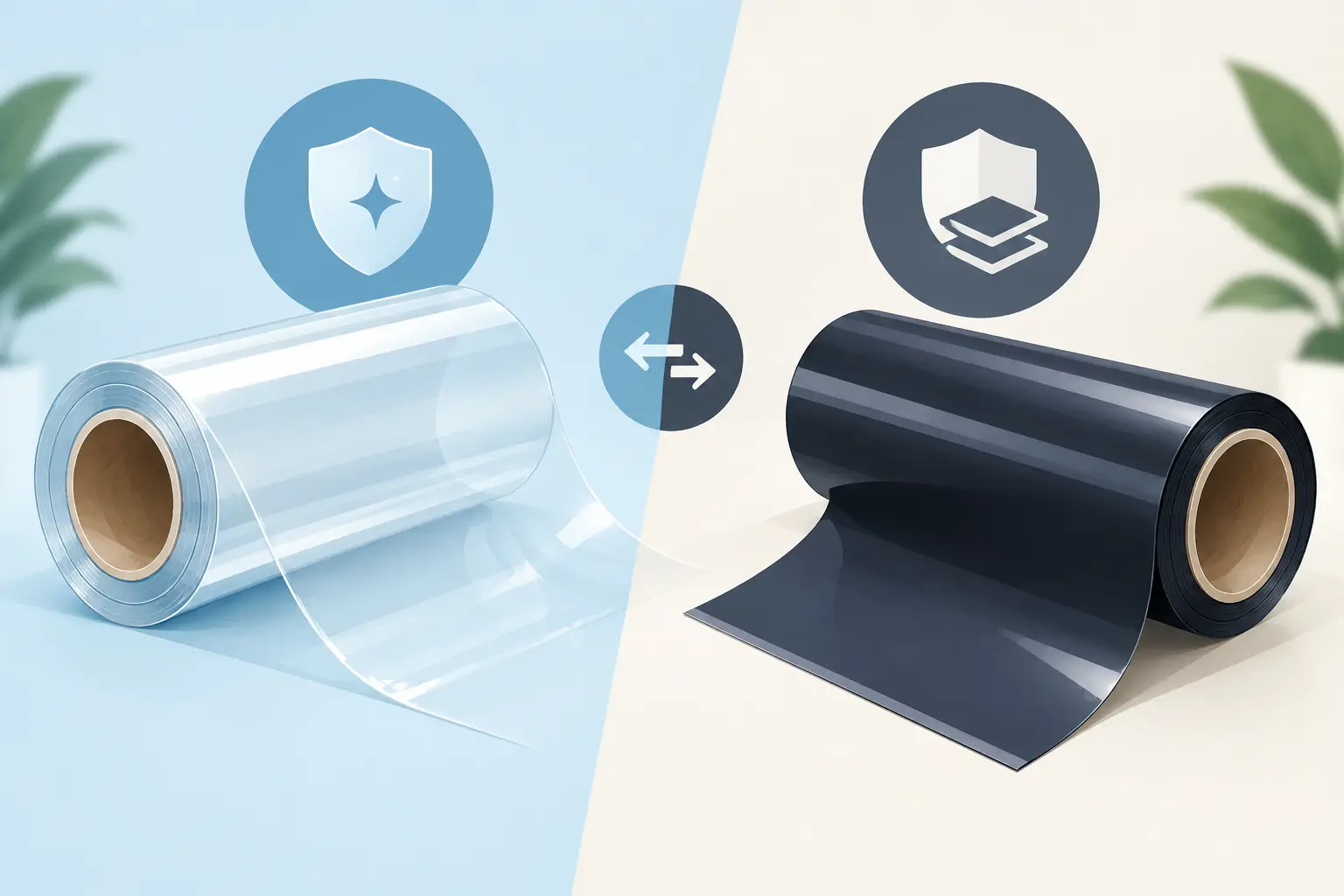
A new finish can make a familiar car feel completely different. But when owners ask about TPU film versus vinyl, they are usually deciding between two very different priorities: changing the car’s personality or defending its original paint from the realities of daily driving.
Both can create a stunning result when installed properly. Both can give a sedan, SUV, or weekend toy a more exclusive presence on the road. The smarter choice comes down to how you use your vehicle, how much protection you expect, and whether your ideal transformation starts with color, finish, or preservation.
TPU Film Versus Vinyl: The Core Difference
Vinyl wrap is primarily a styling material. Made from PVC, it is designed to change a vehicle’s appearance without committing to a repaint. It comes in an enormous range of colors and finishes, from understated satin gray and gloss black to metallic, pearlescent, chrome-inspired, and color-shifting looks. For drivers who want their car to make a personal statement, vinyl offers serious creative freedom.
TPU film, on the other hand, refers to thermoplastic polyurethane film commonly used in paint protection film, or PPF. Its first job is protection. A quality TPU PPF is thicker and more elastic than vinyl, helping absorb the impact of road debris, resist light scratching, and shield factory paint from stains and UV exposure. Many premium TPU films also have self-healing top coats, meaning fine swirl marks and light surface scratches can fade with heat.
That distinction matters. Vinyl can protect paint from minor abrasion and weather exposure, but it is not engineered to handle stone chips and repeated impact in the same way as TPU PPF. Think of vinyl as a new outfit for your car. Think of TPU PPF as a clear armor layer that can also, in its latest color-infused form, deliver a dramatic new look.
Choose Vinyl When Style Leads the Brief
Vinyl is the natural choice when your main goal is visual transformation. Maybe your SUV looks too ordinary in its factory white. Maybe your sports car deserves a satin finish that better suits its body lines. Maybe you want a bespoke graphic treatment that turns your car into something no showroom can offer.
The finish selection is where vinyl shines. With thousands of color and texture options available, it gives owners more room to be playful, refined, aggressive, or quietly distinctive. A gloss wrap can mimic a freshly painted appearance. Matte and satin finishes can sharpen the visual character of modern bodywork. Metallic and specialty films can bring a sense of depth that photographs do not fully capture.
Vinyl is also relatively thin, which helps installers wrap complex styling elements and create a clean, paint-like finish when the preparation and workmanship are right. It is a strong option for owners who refresh their vehicle’s look every few years or want to protect original paint from everyday wear while enjoying a more expressive exterior.
There is a trade-off. Vinyl is more vulnerable to rock chips, deep scratches, and harsh environmental conditions than TPU protection film. A vinyl-wrapped front bumper on a car that frequently runs highways will still look better protected than bare paint, but it will not have the same impact resistance as a quality TPU PPF installation.
Choose TPU Film When Protection Cannot Be Optional
For a newer vehicle, a cherished factory paint finish, or a car that sees plenty of highway miles, TPU PPF makes a compelling case. Malaysian roads can throw plenty at a paint surface: loose gravel, construction dust, heavy rain, grime, bird droppings, tree sap, and intense sunlight. The front bumper, hood, side mirrors, rocker panels, and door edges take the hardest hits.
A high-quality TPU film creates a sacrificial surface over the paint. Instead of a small stone chip cutting into your clear coat, the film is designed to take the impact. Its flexibility also allows it to conform around curves while maintaining a glossy, nearly invisible finish when using clear PPF.
The self-healing property is one of TPU’s biggest advantages for owners who care about a consistently fresh look. Light scratches from washing, fingernails around door handles, or minor rubbing may disappear when exposed to sunlight or gentle heat. It will not magically repair a deep gouge or a severe collision mark, but it can reduce the visual wear that slowly dulls an unprotected car.
Hydrophobic top coats add another practical benefit. Water beads more easily, dirt is less likely to cling aggressively, and regular washing becomes less of a battle. That does not mean a protected car never needs proper detailing. It simply means maintaining a clean, glossy appearance can be more manageable.
Color TPU PPF Blurs the Old Divide
The old decision used to be simple: choose vinyl for color, choose clear PPF for protection. Color-infused TPU PPF has changed that conversation.
This newer material combines a colored finish with the thicker, more protective character of TPU film. It suits owners who want a visible color change but do not want to compromise on stone-chip resistance, self-healing capability, or hydrophobic performance. A color TPU PPF can be especially appealing for premium daily drivers and performance cars where appearance and paint preservation carry equal weight.
It is not a replacement for every vinyl project. Vinyl still offers a broader universe of specialty finishes and creative design possibilities. If your vision involves an unusual texture, a complex custom graphic, or a highly specific statement finish, vinyl may remain the better canvas. But for a clean, high-end color transformation with serious protective benefits, color TPU PPF is a powerful option.
Durability Depends on More Than the Material
When comparing TPU film versus vinyl, it is tempting to ask which one lasts longer. The honest answer is that material quality, installation quality, parking habits, washing methods, and climate all matter.
TPU PPF is generally built for longer-term protection and higher abuse tolerance. Its thickness and elastic structure give it an advantage against impact, staining, and light scratches. Vinyl is built to look exceptional, but its service life can be affected more quickly by relentless sun exposure, poor washing techniques, neglected contaminants, and frequent high-speed driving.
A garage-kept weekend car and a daily commuter parked outdoors will not age materials the same way. Neither will a car washed carefully with pH-balanced products versus one regularly scrubbed with harsh brushes. Premium film deserves premium care, whatever finish you choose.
The condition of the paint beneath the film also matters. Wrapping is not a shortcut around damaged clear coat, rust, or poor-quality previous paintwork. Proper inspection and surface preparation are essential before installation, especially on used vehicles and panels that have been repainted.
How to Decide for Your Car
Start with the question that matters most: what would disappoint you more – seeing a stone chip on your original paint, or being limited in your color and finish choices?
If you want the widest possible styling selection, vinyl is likely your answer. It is ideal for drivers who see their vehicle as an extension of personal taste and want the freedom to change its character without repainting. It also works well for full color changes, roof wraps, accent pieces, and bespoke visual concepts.
If maintaining pristine paint is your priority, clear TPU PPF is the stronger move. It preserves the factory look while creating meaningful defense where road damage is most likely to happen. It is particularly sensible for luxury cars, performance vehicles, and newer cars whose paint condition you want to preserve for years.
If you want both a color change and premium protection, color TPU PPF deserves close consideration. It carries a more focused finish range than vinyl, yet gives you the confidence of a protective film built for real-world driving. For many owners, that balance is exactly the point.
The Installation Is Part of the Product
Even the best film can look ordinary if the installation is rushed. Clean panel preparation, accurate pattern work, thoughtful edge wrapping, controlled heat application, and post-installation inspection all affect the final appearance and long-term performance.
A premium installation should look intentional from every angle. The finish should sit smoothly across curves, edges should be tidy, and high-visibility areas should not distract from the design of the vehicle. This is where a specialist studio makes a difference: the goal is not simply to apply film, but to make the transformation feel native to the car.
At Project Unicorn, the recommendation starts with your vision and driving reality, not a one-size-fits-all answer. A satin vinyl transformation, invisible TPU protection, or color TPU PPF can each be the right choice when matched to the right owner.
Your car does not have to stay in its factory chapter. Choose the film that supports the way you drive, the way you care for it, and the statement you want to see every time you walk back to it.