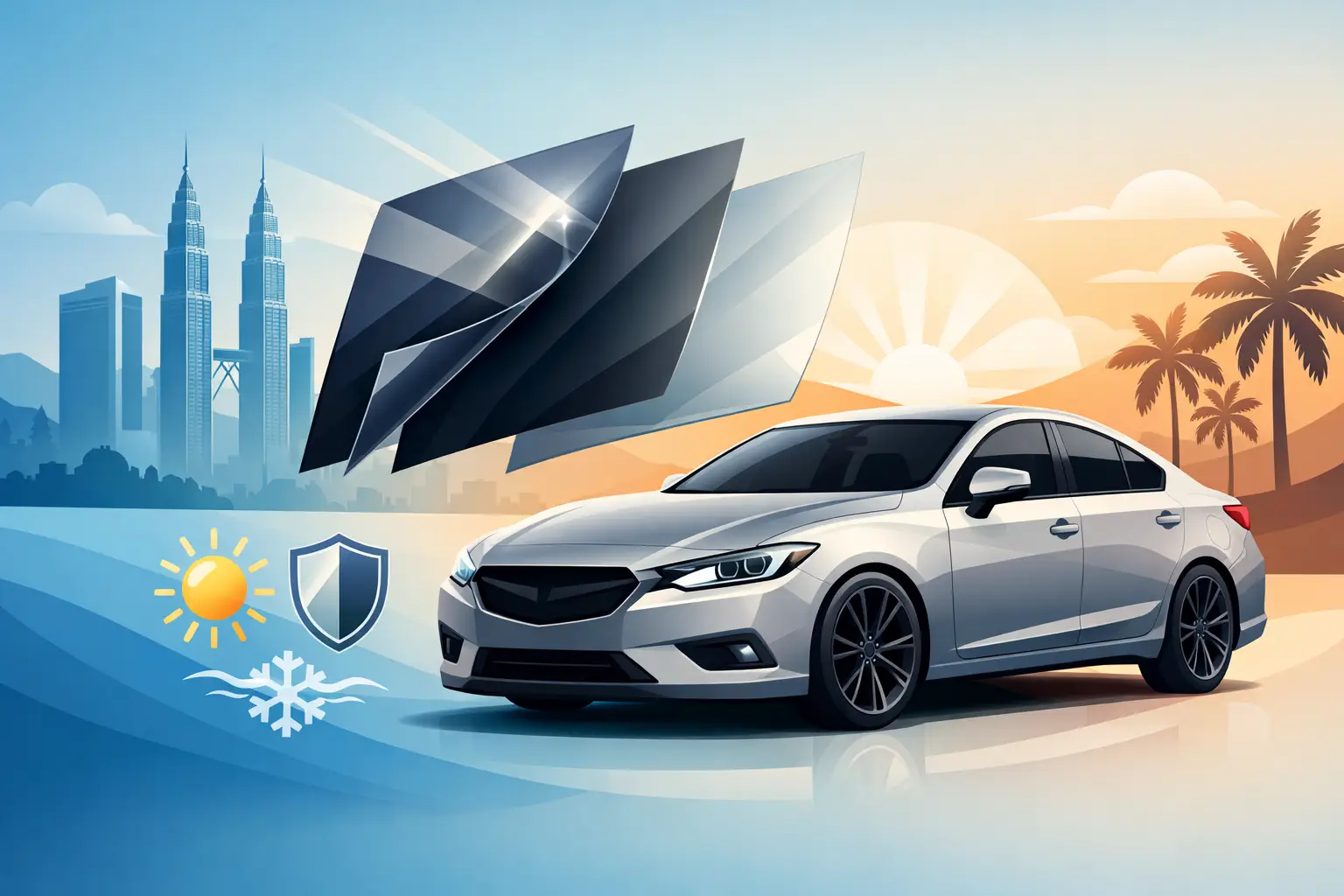
A parked car in the Klang Valley can feel like an oven before noon. The steering wheel burns, the cabin air feels heavy, and the sun cuts through the side windows even when the air conditioning is running at full blast. That is why nano ceramic tint Malaysia drivers choose is not just a visual upgrade. It is a practical layer of comfort and protection designed for the way we actually drive.
For owners who care about a refined build, window tint should work as hard as the rest of the car. It should reduce heat without making the cabin feel dark, protect interior materials without disrupting visibility, and complement the vehicle’s look without appearing like an afterthought.
What Makes Nano Ceramic Tint Different?
Nano ceramic tint uses non-metallic ceramic particles within the film to manage solar heat. Unlike basic dyed film, which mainly darkens the glass, ceramic technology is designed to reject a broader range of heat-producing solar energy while maintaining a clear outward view.
The difference becomes obvious in everyday use. Your car still sits under the same Malaysian sun, but the cabin takes longer to heat up and feels less punishing when you return. The air conditioning does not have to fight as hard to cool the interior, especially during slow traffic on the Federal Highway or a long afternoon parked outdoors.
A premium ceramic film also offers strong UV rejection. This matters beyond sunburn on your arms during a drive. UV exposure can gradually fade leather, dry out trim, and dull interior surfaces. For a car you intend to keep looking sharp for years, protecting the cabin is part of protecting the whole ownership experience.
Why Malaysian Drivers Feel the Difference
Malaysia’s climate asks more from a tint than a quick darkening job. High ambient temperatures, intense sunshine, sudden rain, night driving, and heavy urban traffic create competing needs. You want heat control in the afternoon, but you also need confidence when visibility drops on a wet night.
This is where nano ceramic tint earns its place. A well-selected film can provide heat rejection with a lighter, more natural appearance than old-school dark film. That means you can retain a clean windshield view and a polished factory-plus look, rather than turning every window into a black panel.
It also avoids one common compromise associated with metallic films. Because ceramic tint is non-metallic, it is less likely to interfere with signals from phones, GPS devices, smart-entry systems, and in-car electronics. For newer vehicles packed with cameras, sensors, and connected features, that is a meaningful advantage.
Heat Rejection Is More Than an IR Percentage
Tint marketing can make one number sound like the whole story. You may see infrared rejection percentages highlighted everywhere, and infrared control does contribute to cabin comfort. But it is not the only measurement worth asking about.
Total Solar Energy Rejected, often called TSER, gives a broader picture of how effectively a film manages the sun’s heat. It considers more than one part of the solar spectrum. Visible light transmission, or VLT, tells you how much visible light passes through the glass and affects how light or dark the tint appears.
The best choice is not automatically the film with the biggest percentage printed on a brochure. It is the film that balances heat performance, legal compliance, clarity, signal compatibility, and the way you use your car. A daily-driven SUV, a weekend Porsche, and a family sedan may all need different combinations.
The Windshield Needs a Different Approach
Your windshield is where clarity matters most. A high-quality, lighter ceramic film can reduce heat and UV exposure while keeping your vision open for lane markings, pedestrians, motorcycles, and rain-soaked roads.
Going too dark at the front may feel private during the day, but it can become tiring or unsafe at night. A thoughtful installation prioritizes comfort without compromising the confidence you need behind the wheel.
Side and Rear Glass Can Carry More Privacy
Side and rear windows often allow more room to tailor the look. This is where many owners choose a deeper shade for privacy, a stronger visual contrast, or a more aggressive finish that suits darker wheels, black trim, or a satin vinyl wrap.
Still, darker is not always better. A refined build is about proportion. The right shade should work with the glass line, body color, interior tone, and driving habits, not simply chase the darkest possible appearance.
Choosing Nano Ceramic Tint for Your Car
Start with how and where you drive. If your vehicle spends hours outside at an office, condominium, or shopping center, heat rejection should be high on your priorities. If you make frequent night trips or drive through poorly lit roads, clear optical performance should carry equal weight.
Next, consider the character of the vehicle. A luxury sedan may suit a subtle, executive finish with excellent visibility. A blacked-out SUV can handle a more private appearance. A sports car with a light interior benefits greatly from UV and heat control because the cabin materials are more exposed to sun glare and fading.
Your tint should also be treated as part of a complete styling direction. Gloss black trim, a matte PPF finish, color-change vinyl, carbon fiber accents, and window tint all influence the final visual balance. The goal is not to add every modification. It is to create one cohesive statement.
At Project Unicorn, that conversation starts with the owner, not a one-size-fits-all recommendation. A tint choice should reflect your car, your lifestyle, and the finish you want to see every time you walk back to it.
Installation Quality Decides the Final Result
Even an excellent ceramic film can look disappointing if installed carelessly. The glass must be properly cleaned and prepared so dust, lint, fingerprints, and trapped moisture do not become permanent distractions in your field of view.
Film cutting and edge finishing matter too. Clean edges, consistent alignment, and careful treatment around rear demisters, cameras, and glass seals separate a premium install from one that merely looks acceptable on collection day. On vehicles with complex glass shapes, experience becomes even more valuable.
Expect a brief curing period after installation. Small water haze or tiny moisture pockets can appear as the film settles, particularly in humid weather. This should improve as it dries. Avoid rolling down the windows immediately after installation, and follow the studio’s care guidance rather than trying to wipe or press on the film yourself.
Do Not Ignore Tint Regulations
A premium look is never worth creating unnecessary trouble on the road. Tint regulations can change, and requirements may differ depending on the window. Before choosing a shade, verify the current Malaysian visible-light-transmission requirements and select a setup that supports compliant driving.
This is another reason to work with a specialist who discusses performance and practicality honestly. The right recommendation is not about selling the darkest film. It is about creating a cooler, cleaner, more confident daily drive that still makes sense after you leave the studio.
Ceramic Tint and Your Long-Term Ownership Plan
Nano ceramic tint will not replace proper air conditioning maintenance, and it will not make a cabin immune to tropical heat. But it can meaningfully reduce the intensity of sunlight entering the vehicle, protect occupants from UV exposure, and help preserve the surfaces that make a car feel premium.
For owners planning paint protection film or a color-change wrap, tint is a natural finishing move. Exterior protection preserves the statement you make on the road. Ceramic tint improves the space where you spend every mile. Together, they make the vehicle feel considered from every angle.
Choose a film for more than its darkness. When the temperature climbs, the traffic stops, and the sun is glaring through the glass, the right nano ceramic tint lets your car remain the composed, personal statement you built it to be.