A parked car in Malaysian afternoon sun can feel like a greenhouse within minutes. That is why the sputter tint vs nano ceramic decision is not just about making your windows look darker. It affects cabin comfort, air-conditioning workload, driving visibility, device connectivity, and how enjoyable your car feels every time you step inside.
Both are premium tint technologies, and both can be a major upgrade from basic dyed film. The better choice depends on how you use your vehicle, what you expect from heat rejection, and whether you want a refined daily driver or a fully considered high-performance build. Here is how to choose with confidence.
What Sputter Tint Brings to the Glass
Sputter tint is made using a process that deposits an extremely thin layer of metal particles onto the film. This metallic layer helps reflect solar energy before it enters the cabin. Think of it as a heat-reflective shield built into the window film.
For drivers who spend long hours on highways, park outdoors at work, or regularly carry passengers, sputter tint can make a noticeable difference. It is particularly effective at reducing the sun’s radiant heat, which is the heat you feel directly on your skin when sunlight streams through the side window.
Its appearance is often a key attraction too. Depending on the film specification, sputter tint can deliver a sleek, slightly reflective finish that complements executive sedans, dark-colored SUVs, and sharper, more aggressive builds. On the right vehicle, it creates a composed, premium look rather than a flat black window effect.
The trade-off is the metallic construction. Metal can sometimes interfere with radio reception, GPS, SmartTAG-style devices, mobile signal, or certain in-car electronics. This is not guaranteed on every vehicle or every film, but it is a real consideration, especially for drivers who rely heavily on navigation, digital toll systems, and connected features.
How Nano Ceramic Tint Handles Heat
Nano ceramic tint uses tiny non-metallic ceramic particles to manage solar heat. It is designed to reject infrared energy while maintaining strong optical clarity and, importantly, without the same signal-interference concern associated with metallic films.
For a modern car packed with connectivity, nano ceramic is often the more natural match. Navigation stays reliable, mobile reception is less likely to be affected, and drivers can choose a lighter visible shade without giving up meaningful heat control. That last point matters: dark windows do not automatically mean cooler windows.
A quality nano ceramic film can keep the cabin feeling calmer while preserving a clearer view outward, especially at night or during heavy rain. This makes it a strong option for daily-driven cars, family SUVs, premium EVs, and performance vehicles where every detail should work as well as it looks.
Ceramic films also tend to have a more neutral, sophisticated appearance. Instead of a noticeably reflective surface, they often look clean and deep from the outside while remaining comfortable to look through from inside. If your goal is an understated, factory-plus finish, nano ceramic can be the better aesthetic fit.
Sputter Tint vs Nano Ceramic for Malaysian Roads
Malaysia’s climate asks more from window tint than a darker cabin. The combination of intense sun, high humidity, sudden rain, and dense city traffic makes heat rejection and visibility equally important. A film that performs brilliantly under direct sun but leaves you straining to see through a storm is not the complete answer.
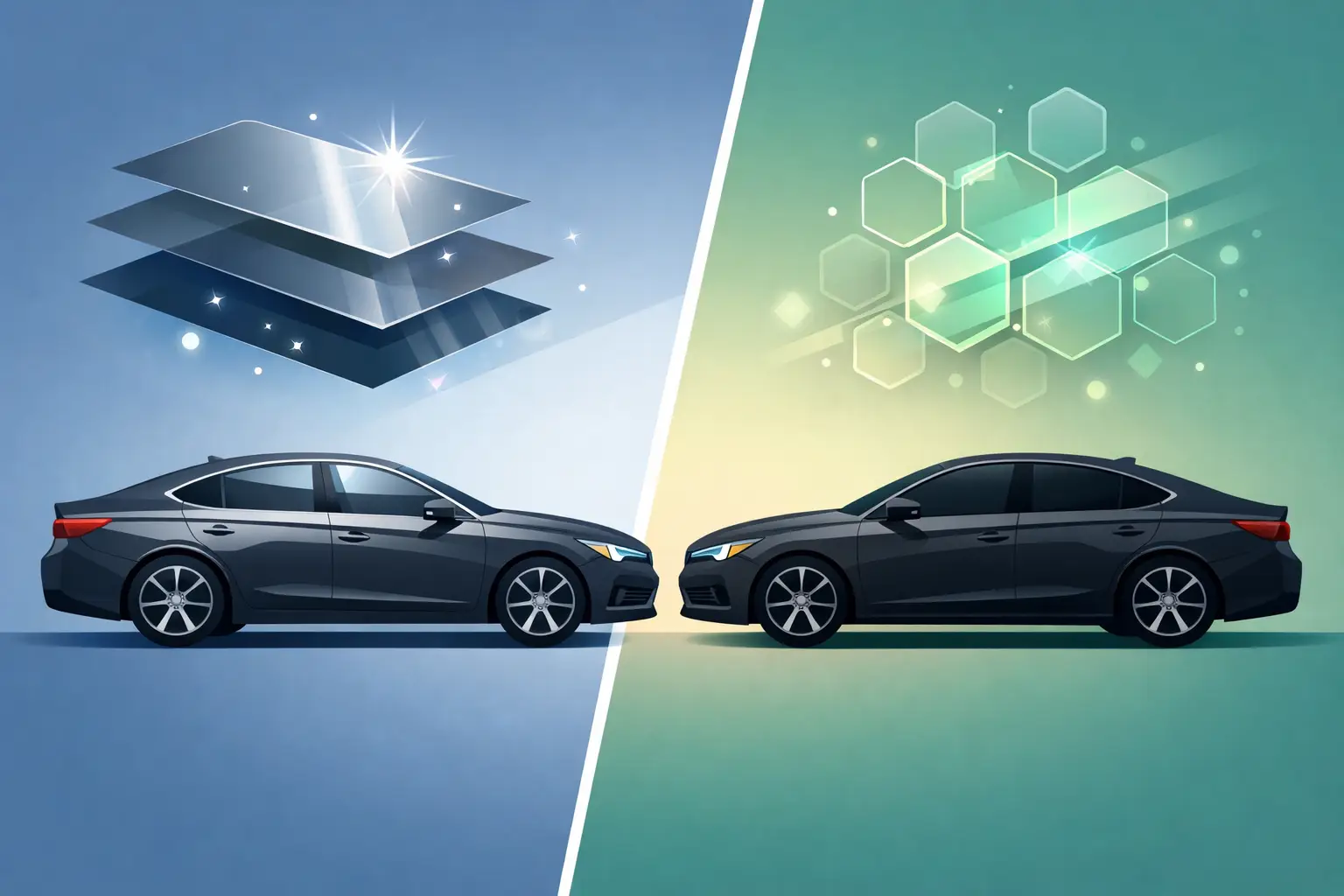
In the sputter tint vs nano ceramic comparison, sputter tint often appeals to drivers who prioritize solar reflection and a more distinctive exterior finish. Nano ceramic tends to appeal to drivers seeking high heat management, clear optics, and reliable connectivity in one package.
Neither technology is automatically superior in every situation. A properly selected sputter film may be ideal for a vehicle with minimal signal-sensitive equipment and a driver who loves a reflective premium look. A nano ceramic film may be the smarter fit for someone who drives daily through Petaling Jaya traffic, uses wireless navigation constantly, and wants consistent comfort without compromising electronics.
The film’s actual specification matters as much as its category. Two ceramic films can perform very differently. The same goes for sputter films. Look beyond the label and assess visible light transmission, infrared rejection, total solar energy rejection, UV protection, optical clarity, warranty coverage, and installation quality.
Heat Rejection: Do Not Judge by Darkness Alone
Many owners assume the darkest tint will deliver the coolest cabin. In reality, visible light transmission measures how much light passes through the glass, while heat-control figures measure how effectively the film manages solar energy. They are related, but they are not the same thing.
A lighter, high-quality nano ceramic film can outperform a darker basic film in heat management. This is especially useful for windshields, where you need a legal and practical level of visibility but still want protection from the harsh sun. The goal is not simply darker glass. The goal is a cabin that feels cooler, clearer, and more comfortable.
Clarity and Night Driving
Good tint should disappear when you are behind the wheel. You should see the road, side mirrors, and surrounding traffic naturally, without haziness, distortion, or a strange color cast.
Nano ceramic tint is often favored by drivers who place a high value on optical clarity. That does not mean sputter tint cannot offer clear vision, but ceramic technology is generally a compelling choice when night driving and wet-weather visibility are high on your list. For a vehicle that sees frequent expressway travel or late-night city runs, this advantage deserves serious attention.
Signal Compatibility and Connected Cars
This is where the construction of the film becomes practical. Because nano ceramic tint is non-metallic, it is less likely to create issues with GPS, mobile data, radio reception, or electronic toll devices. For newer cars with integrated connectivity, dash cameras, wireless systems, and multiple antennas, that peace of mind is valuable.
Sputter tint is still a premium option, but it should be matched thoughtfully to the vehicle. An experienced installer can assess where antennas and sensors are positioned, discuss your daily habits, and recommend the right configuration instead of applying one generic solution to every car.
Installation Is Part of the Performance
Even exceptional film cannot compensate for rushed workmanship. Contaminated glass, poor edge finishing, trapped dust, uneven shrinking, and incorrect film placement can undermine both appearance and durability. Premium tint should look clean around the edges, sit smoothly across curved glass, and cure without distracting imperfections.
A professional consultation should start with your vehicle, not a sales script. Are you driving a family SUV that sits in open parking all day? A lowered weekend car built for visual impact? A luxury sedan where a neutral, factory-level finish matters most? Your answer changes the recommendation.
At Project Unicorn, the aim is to create a tint setup that belongs on the car, not one that merely covers the glass. That means balancing heat performance, legal visibility requirements, design direction, and the way you actually drive.
Choosing the Right Tint Setup
Choose sputter tint if you want strong reflective heat management and enjoy the more technical, premium appearance that a metallic film can bring. It can be an excellent match for owners who want a cooler cabin and a bolder glass finish, provided signal compatibility is not a concern.
Choose nano ceramic if you want high-end heat rejection with clear optics and dependable signal performance. It is often the more versatile choice for connected daily drivers, luxury vehicles, EVs, and owners who value a refined finish that works in every condition.
Whichever route you take, avoid choosing tint by shade alone. Ask how it will feel at 2 p.m. in an open parking lot, how it will look on your specific paint color, and how confidently you will see through it during a night downpour. The best tint does more than darken your windows. It makes every drive feel more considered, more comfortable, and unmistakably yours.