
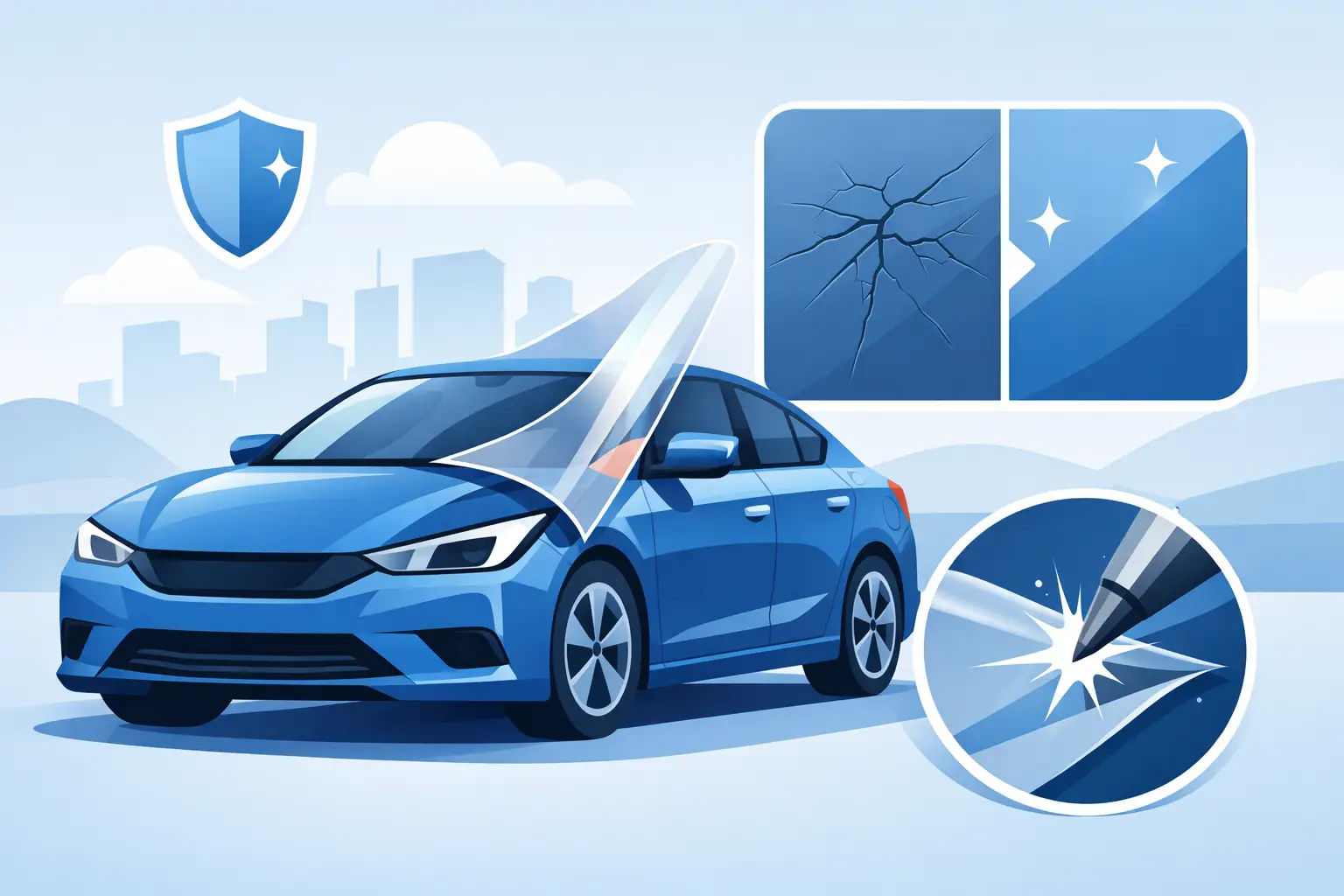
A fresh detail can make any car look expensive for about five minutes. Then real life shows up – dusty parking lots, careless door swings, highway grit, bad wash technique, and the fine swirl marks that somehow appear even when you swear you were careful. That is exactly why scratch resistant car film gets so much attention from owners who want their paint to stay sharp, not just look good on delivery day.
The catch is that many people expect one film to stop everything. It will not. A quality film can dramatically reduce surface damage, preserve gloss, and make ownership less stressful, but the real value depends on the material, the installation, and where on the car it is applied.
What scratch resistant car film actually is
In most real-world conversations, scratch resistant car film usually refers to paint protection film, also called PPF. This is a clear or colored urethane-based film applied over painted panels to act as a sacrificial layer. Instead of your factory paint taking the hit from road debris, light abrasion, and daily wear, the film does.
The best versions are typically made from TPU, or thermoplastic polyurethane. That matters because TPU is flexible, durable, and far better at resisting scuffs and fine scratches than older, more basic films. Many premium films also come with self-healing top coats. When the surface picks up light marring, warmth from the sun or warm water can help the top layer recover, which keeps the finish looking cleaner over time.
That sounds impressive, and it is. But it helps to be precise. Scratch resistant does not mean scratch proof. A shopping cart edge, a sharp metal object, or a serious impact can still damage the film. The goal is not invincibility. The goal is to absorb everyday abuse before your paint does.
Why drivers care more than ever
Modern paint looks fantastic, but it is also expensive and frustrating to keep flawless. Even careful owners deal with stone chips on the front bumper, fingernail marks behind door handles, luggage scuffs on trunk lips, and constant wash-induced swirl marks on dark colors. If you drive often, park in public, or simply hate seeing wear build up on a car you love, film starts to make a lot of sense.
For many owners, this is not only about protection. It is about keeping the car visually crisp. A glossy black sedan, a satin gray SUV, or a bright sports car only feels premium when the surfaces stay clean and consistent. Once the paint gets peppered with tiny chips and scratches, that premium feel fades faster than most people expect.
In a place like Malaysia, the equation becomes even more practical. Strong sun, frequent rain, urban driving, highway debris, and daily exposure all accelerate cosmetic wear. A car can still be mechanically perfect and look tired far too early if the exterior is not protected properly.
Where scratch resistant car film makes the biggest difference
Not every panel on a car takes the same abuse. The highest-impact zones are usually the front bumper, hood, fenders, side mirrors, headlights, rocker panels, door edges, and areas around the door handle. These are the spots where road rash, chips, and repeated contact show up first.
For some owners, protecting only the front end is enough. That is the practical choice if your main concern is highway driving and stone chips. For others, especially owners who care deeply about finish quality or drive premium and enthusiast cars, full-body coverage creates a more complete shield. It also keeps the appearance more uniform, which matters if you are serious about preserving that just-detailed look.
There is also a design angle now. Film is no longer limited to clear gloss. Matte PPF, satin finishes, and color-infused TPU options have changed the conversation. Protection and style can now happen at the same time, which is why more owners see film as part of a complete vehicle transformation rather than just a defensive upgrade.
What the film can protect against – and what it cannot
This is where expectations need to be honest. Quality film is excellent against light scratches, swirl marks, small stone impacts, bug splatter, road grime, and general daily friction. It also helps reduce staining and makes cleaning easier, especially when the top coat has hydrophobic properties that shed water better.
It is less impressive against deep gouges, strong impacts, and neglect. If a panel gets scraped hard enough, the film may tear. That is still better than damaging the paint directly, but it is not magic. Likewise, poor washing habits can still create issues. If you drag dirty towels across the surface or let contamination sit too long, you are making the film work harder than it should.
Another trade-off is that not all films age the same way. Lower-grade material may discolor, lose clarity, or become less flexible over time. That is why the phrase scratch resistant car film only means something when the material quality is actually there.
Material matters more than marketing
A lot of the difference comes down to chemistry and finishing. Premium TPU films generally offer better clarity, better stretch, better resistance to yellowing, and better self-healing behavior than cheaper alternatives. They also tend to sit more naturally on the panel when installed correctly, which matters if you want the protection without the obvious film look.
Top coat quality is another major factor. This is the layer that influences slickness, stain resistance, and how easily light surface marks recover. Two films may look similar on day one, but months later one still appears rich and clean while the other starts looking tired.
This is also why installation cannot be treated as an afterthought. Even the best film can look average if the cutting, alignment, edge wrapping, and surface prep are poor. A premium studio approaches film the way a tailor approaches a suit – fit changes everything.
Is it better than ceramic coating?
This is one of the most common questions, and the answer is simple: they do different jobs.
Ceramic coating is great for gloss, water behavior, and easier cleaning. It adds a slick surface and helps with maintenance, but it does not provide the same physical impact resistance as film. If your biggest fear is stone chips and scuffs, coating alone is not enough.
Scratch resistant car film is the stronger choice when you want a real physical barrier between your paint and the road. If your priority is preserving panel condition, film is the more protective solution. For owners chasing the best of both worlds, film and coating can also complement each other, depending on the product system and the result you want.
Who should seriously consider it
If you own a daily driver and plan to keep it for years, film can help maintain pride of ownership far better than repeated paint correction. If you drive a premium car, a performance car, or something you simply enjoy looking back at in the parking lot, film preserves that emotional value as much as the paint itself.
It makes particular sense for darker colors, softer finishes, and vehicles that spend time on highways. It is also a smart move for owners who have already invested in styling, whether that means gloss black trim, custom finishes, or a full transformation. There is little point creating a standout car if you leave the most vulnerable surfaces exposed.
On the other hand, if your car is older, already heavily chipped, or you do not care much about cosmetic condition, full coverage may not be the right move. Sometimes selective protection on high-impact areas is the better balance.
What a good ownership experience looks like
A well-installed film should look clean, tight, and intentional. It should not distract from the car’s design. On the right material, gloss should stay deep, matte should stay smooth, and panel lines should still feel sharp rather than buried under plastic.
Maintenance also becomes easier, not harder. You still need proper washing, but you spend less time worrying about every small contact point. That changes how the car fits into daily life. You can enjoy using it without feeling like each drive is slowly undoing your effort.
That mindset is a big part of why owners choose studios like Project Unicorn. Protection is important, but so is presentation. When film is selected and installed with both design and durability in mind, the car keeps its edge in a way that feels premium every single day.
The smartest way to think about scratch resistant car film is not as armor that makes damage impossible. Think of it as a high-level buffer between your paint and the messiness of real roads. For the right owner, that buffer is the difference between constantly fixing the finish and simply enjoying the car you worked hard to own.