Park under the Malaysian sun for one afternoon and your cabin tells the story: a scorching steering wheel, hot leather, faded trim, and air conditioning working overtime. So, does window tint block UV? A quality automotive tint can block the vast majority of harmful ultraviolet rays, but the real answer depends on the film technology, where it is installed, and whether the product is genuine.
For drivers who care about a clean interior, comfortable daily commute, and long-term vehicle condition, UV protection is far more than a spec on a brochure. It is one of the quiet benefits that protects the parts of your car you touch and see every day.
Does Window Tint Block UV? Yes, but Film Quality Matters
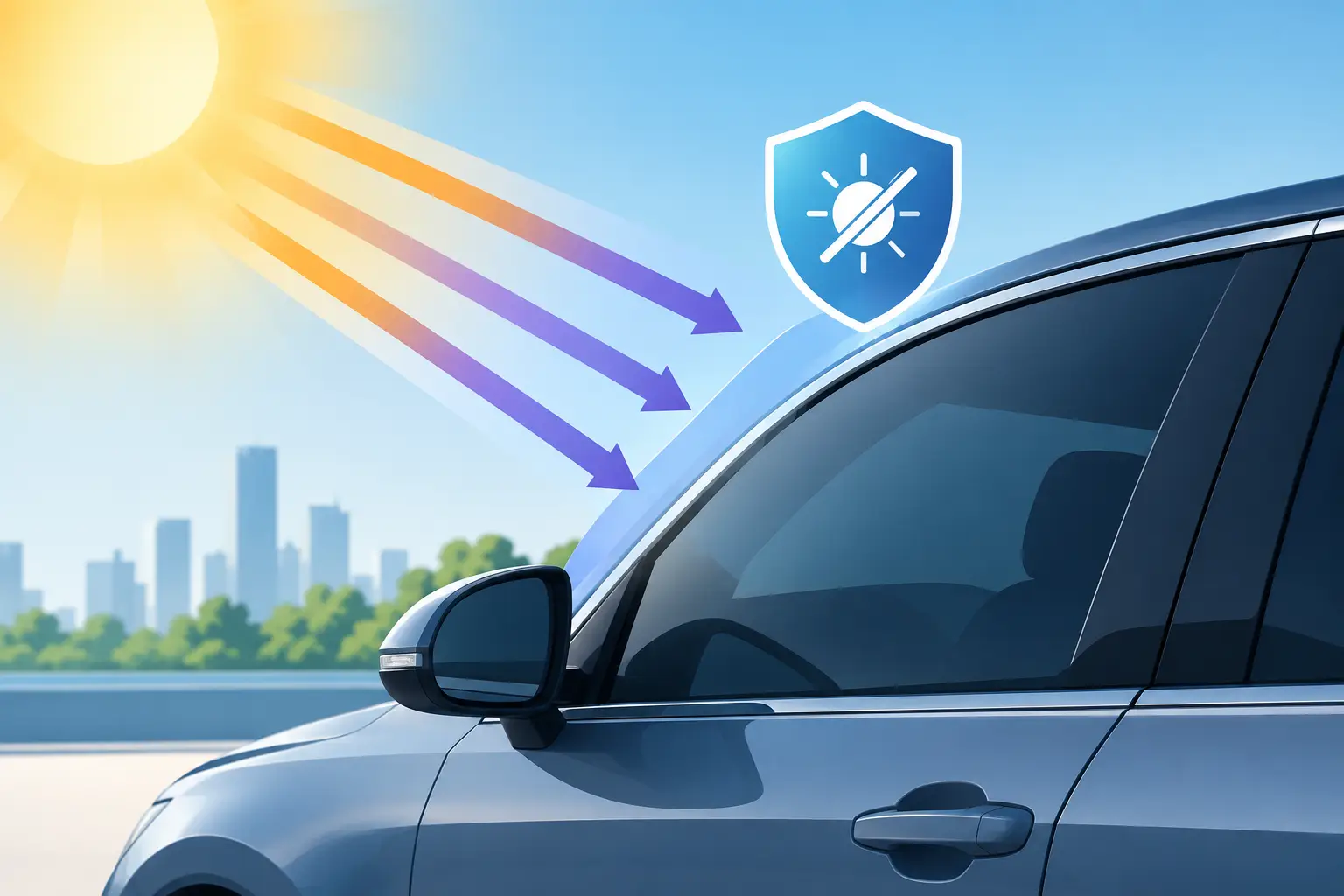
High-performance window films are designed to reject up to 99% of UV radiation. That includes the UVA rays associated with premature skin aging and the gradual fading, cracking, and discoloration of interior materials. UVB rays are better known for causing sunburn, but both types deserve attention when you spend hours behind the wheel.
The key point is that darkness and UV protection are not the same thing. A very dark, low-grade film may make the cabin look private while offering inconsistent heat and UV performance. Meanwhile, a lighter premium ceramic film can provide powerful UV rejection without making your windows feel overly tinted or compromising your view at night.
That distinction matters in a tropical climate. Your vehicle is not exposed to occasional sunshine. It faces intense heat, bright daylight, and regular outdoor parking that can slowly wear down dashboard surfaces, leather, fabric, and plastics.
What UV Rays Do to Your Car and Your Drive
Sun damage rarely arrives as one dramatic event. It builds over months and years. A dashboard that once looked rich and even may become dull. Black trim can turn grayish. Leather can dry out, while some interior surfaces begin to feel brittle or sticky.
UV exposure also reaches the driver and front passenger. Glass already provides some baseline protection, particularly the windshield, but side windows can allow more UVA exposure depending on the glass and vehicle design. For people who drive frequently in daylight, adding quality tint to the side and rear windows creates another protective layer between the cabin and the sun.
There is also the comfort factor. UV rejection is not identical to heat rejection, but premium films are engineered to address both. Less solar energy entering the cabin means less harsh radiant heat on your arms, face, and seats. Your air conditioning can maintain a more comfortable environment with less effort, especially after the car has been parked outdoors.
UV Rejection, Heat Rejection, and Darkness Are Different Specs
Tint terminology can get confusing because several performance numbers are often discussed at once. They each describe something different.
UV rejection measures how effectively the film filters ultraviolet rays. For cabin and skin protection, this is the figure most directly connected to sun damage.
Infrared rejection refers to the heat energy you feel as radiant warmth. High infrared rejection can make a major difference when sunlight is hitting you through the glass, even if the film is relatively light.
Visible light transmission, often called VLT, describes how much visible light passes through the glass and film. Lower VLT means a darker appearance. It can increase privacy and reduce glare, but darker is not automatically cooler or more protective.
Total solar energy rejection is a broader measure of how well a tint rejects solar heat. It accounts for more than infrared alone, making it a useful indicator when comparing films for Malaysia’s climate.
A proper tint recommendation looks at these figures together. A driver who wants a refined, clear outward view may prioritize a lighter ceramic film with high UV and heat rejection. Someone who values stronger privacy may choose a darker legal option, while still expecting excellent optical clarity and protection.
Why Nano Ceramic and Sputter Films Stand Apart
Not all films are built with the same materials. Dyed films are often chosen for their darker look, but their performance and longevity can be limited. They may fade over time, and they are not always the strongest choice for heat control.
Nano ceramic films use non-metallic ceramic particles to reject heat and UV without relying on heavy darkness. They are valued for clarity, stable color, and compatibility with modern vehicle electronics. Because they are non-metallic, they are less likely to interfere with signals for devices such as GPS, mobile phones, toll systems, and keyless entry.
Sputter films use a precise manufacturing process that deposits ultra-thin metallic layers onto the film. The result can be excellent heat rejection and a premium finish. Depending on the construction, these films may have a slightly more reflective appearance than ceramic options, which some owners love and others prefer to avoid.
Neither technology is automatically right for every car. The best fit comes down to your preferred look, driving habits, window layout, signal sensitivity, and comfort expectations. A good installation studio should explain those trade-offs clearly instead of treating every vehicle like the same job.
The Windshield Question: Is It Already UV Protected?
Most modern windshields are laminated, meaning they use a plastic interlayer between two layers of glass. This construction generally blocks a significant amount of UV radiation and improves safety if the glass breaks. However, that does not mean every piece of glass around your vehicle provides equal protection.
Side and rear windows are commonly tempered glass, and their UVA filtering ability can vary. This is why tinting the full vehicle, using a film selected for each glass area, can create a more consistent shield.
The windshield requires extra care. It is your primary viewing surface, so optical clarity, glare reduction, and compliance with applicable regulations should guide the decision. An overly dark windshield film can reduce visibility in rain, at night, or in poorly lit parking areas. A high-quality, nearly clear heat-rejecting film may be the smarter choice for drivers who want comfort without sacrificing confidence behind the wheel.
A Great Film Still Needs a Great Installation
Even the best tint can look disappointing if the installation is rushed. Dust trapped under the film, uneven edges, contamination, visible gaps, and poor shrinking around curved glass all weaken the final result. On a premium sedan, SUV, or performance car, those details are impossible to ignore once you know what to look for.
Professional preparation matters because automotive glass has tight seals, sensors, dot-matrix patterns, and complex curves. The installer needs to select the appropriate film, shape it cleanly, and work carefully around electronics and trim. After installation, the film also needs time to cure. A slight haze or small water pockets can appear during this period and usually settle as moisture evaporates.
Quality also means authenticity. A film’s stated UV and heat-rejection figures only matter if the material is genuine and installed as intended. Ask what film technology is being used, what its performance ratings mean, and how the installer supports the work after your car leaves the studio.
Choosing Tint for Your Actual Lifestyle
Your ideal tint is not simply the darkest option on the display wall. Think about where and when you drive. If your car spends long hours in open parking, heat rejection should be a priority. If you regularly drive late at night or navigate basement parking, keep forward visibility at the center of the decision. If you own a light-interior vehicle, strong UV filtering can help preserve the cabin’s fresh, high-end look.
For enthusiast builds, tint should also complement the design language of the car. A satin wrapped SUV, a gloss-black performance sedan, or a color-infused protection film deserves glass that looks intentional rather than like an afterthought. The right shade can sharpen the vehicle’s profile while the right technology works quietly in the background.
At Project Unicorn, the goal is not to sell a generic darkness level. It is to help drivers choose high-performance tint that suits the vehicle, the climate, and the statement they want to make on the road.
Your windows are one of the largest surfaces exposed to sunlight every day. Choose a tint that does more than change the look – choose one that lets you enjoy the drive while helping your cabin stay cooler, cleaner, and unmistakably yours.