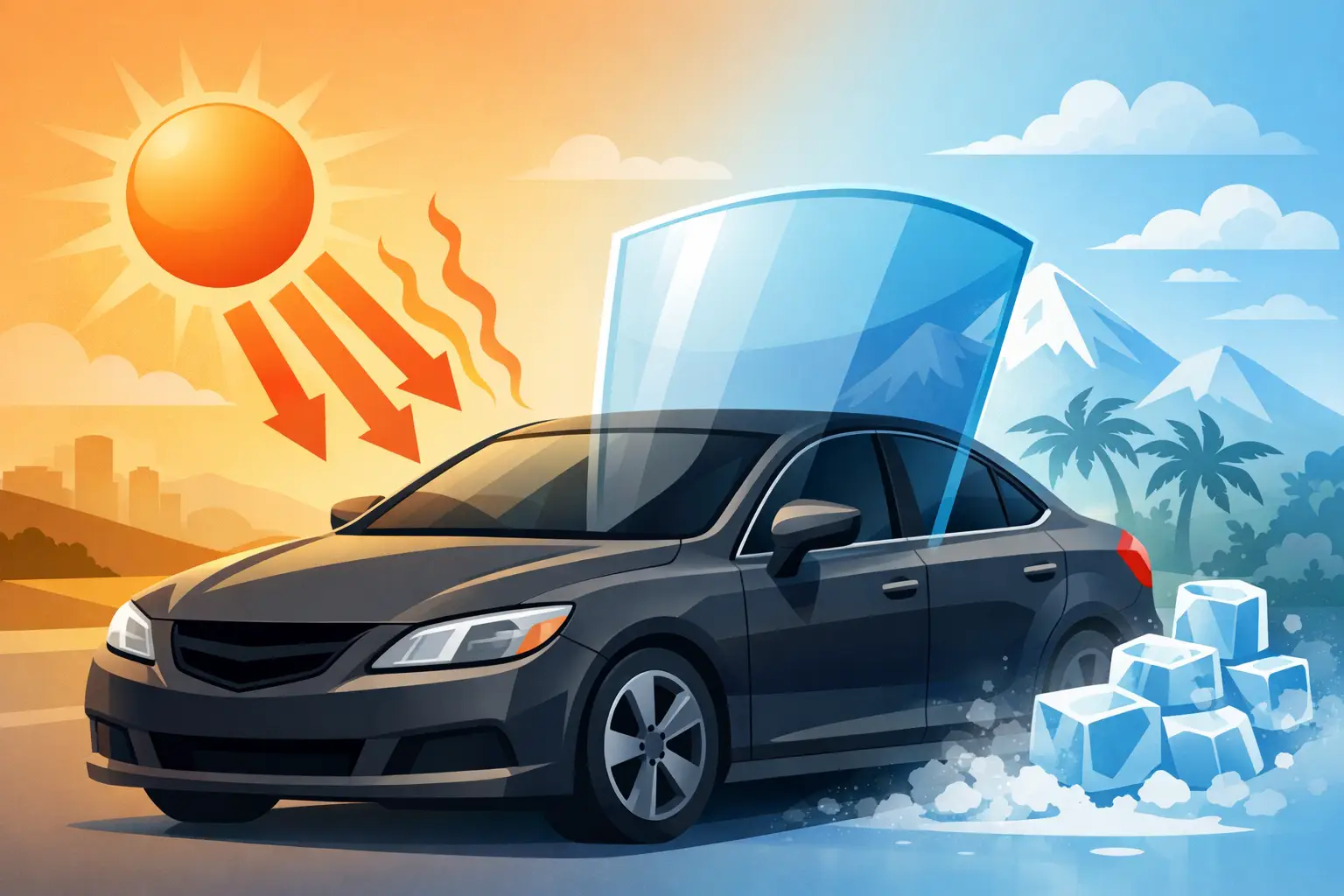
A car parked under the Malaysian sun can feel less like a cabin and more like a heat trap. The steering wheel burns, leather seats radiate warmth, and the air-conditioning works overtime before the drive even begins. That is why heat rejection tint Malaysia drivers choose should be judged by more than how dark the windows look.
The right film changes how your vehicle feels every day. It helps reduce solar heat, blocks harmful UV exposure, protects interior materials, and gives your cabin a more composed, private atmosphere. But not every tint delivers the same result, and the darkest option is not automatically the coolest one.
What Heat Rejection Tint Actually Does
Window tint is designed to manage the sun before it enters your cabin. The best heat-rejection films target infrared energy, which is a major source of the heat you feel on your skin and seats. They also filter ultraviolet rays that can contribute to fading, cracking, and long-term wear on leather, trim, and dashboard surfaces.
This matters in Malaysia, where cars face intense sunshine, high ambient temperatures, sudden rain, and long periods in open parking. A good tint does not make air-conditioning unnecessary. What it does is reduce the heat load your AC needs to fight. The result can be a cabin that cools down faster and stays more comfortable through traffic, school runs, highway drives, and weekend escapes.
Heat performance should never be confused with window darkness. Visible Light Transmission, often shortened to VLT, refers to how much visible light can pass through the glass. Infrared rejection refers to how well a film reduces heat-related infrared energy. A quality light or medium tint can outperform a dark, basic film when its technology is better.
Choosing Heat Rejection Tint Malaysia Drivers Can Feel
For most premium daily drivers, the decision comes down to film technology, visibility, and the way the car is used. A black SUV that spends hours outdoors has different needs from a weekend Porsche that lives under cover, just as a driver who regularly travels at night needs a different setup from someone prioritizing maximum daytime privacy.
Nano ceramic tint for clear, refined comfort
Nano ceramic tint is a popular choice for owners who want strong heat rejection without turning their windows into a dark wall. Ceramic particles help filter infrared heat and UV rays while maintaining a clean, natural view through the glass.
Its biggest advantage is balance. You can achieve meaningful heat control with a shade that remains comfortable for night driving and does not overpower the original design of the vehicle. This makes ceramic tint especially appealing for modern sedans, luxury SUVs, EVs, and drivers who want a premium result that looks factory-refined.
Quality ceramic films are also non-metallic, which can be a practical advantage for vehicles relying on GPS, mobile signal, SmartTAG-style systems, or other electronic connectivity. Film construction still varies, so it is worth choosing an authenticated product rather than assuming every tint labeled “ceramic” performs the same.
Sputter tint for serious solar performance
Sputter tint uses a highly controlled process that deposits ultra-fine metallic layers into the film. This construction can offer excellent solar control and a sleek appearance, making it a strong option for drivers who spend plenty of time under direct sunlight.
The trade-off is that the look and signal behavior can differ by product and shade. A well-selected sputter film can be an exceptional fit for heat-focused owners, but it should be matched to the car and your daily habits. The goal is not simply to choose the highest claim on a brochure. It is to select a film that delivers effective heat management while preserving the visibility, finish, and functionality you expect from your ride.
The windshield deserves its own conversation
The windshield is the largest glass surface facing the sun, so treating it thoughtfully makes a real difference. Yet it is also the most important window for clear vision, especially during heavy rain or night driving.
A high-performance, high-clarity windshield film can help reduce solar discomfort without making the road view feel dim or tinted in an unnatural way. The best choice depends on your vehicle, the existing factory glass, and applicable road regulations. A professional studio should assess this rather than applying a one-size-fits-all shade package.
Do Not Buy Tint Based on Darkness Alone
A dark cabin may feel private, but darkness is only one visual characteristic. If heat rejection is the main objective, ask about the measurements that influence real-world comfort. These include infrared rejection, UV rejection, Total Solar Energy Rejected, and visible light transmission.
Total Solar Energy Rejected, or TSER, is particularly useful because it considers more than one part of the solar spectrum. Still, no single figure tells the full story. Different brands may test films differently, and performance can vary once a film is installed on different types of automotive glass.
Instead of chasing one impressive percentage, consider the entire result: How comfortable will the cabin be at noon? Will the shade remain safe and clear for your usual night routes? Does the film complement your vehicle’s design? Is it suitable for the windows where it will be installed?
A premium tint recommendation should sound like a consultation, not a hard sell. Your installer should ask where you park, whether you drive after dark, how much privacy you prefer, and whether you have heat-sensitive passengers such as children or pets.
A Clean Installation Is Part of the Performance
Even excellent film can disappoint when the installation is rushed. Tinting requires careful glass preparation, controlled handling, precise cutting, and patience during the curing process. Dust contamination, rough edges, trapped moisture, uneven alignment, or damage around window seals can take away from an otherwise premium vehicle.
On high-end cars, the details matter even more. Frameless windows, complex rear glass, defroster lines, sensors, and tight trim areas require technicians who understand the vehicle rather than treating it like a generic job. A good installation should look intentional from inside and outside, with clean edges and no distracting visual flaws.
After installation, some water haze or small moisture pockets may be visible while the film cures. This is normal in many cases and can take time to settle depending on weather, film type, and glass shape. Avoid rolling down treated windows until the installer advises that it is safe, and do not use harsh cleaners or abrasive towels on the film.
Tint as Interior Protection, Not Just Cabin Comfort
Heat rejection tint earns its place in a protection-focused build because it helps preserve what is inside the car. UV exposure can slowly dull surfaces and place extra stress on leather, plastics, and other interior finishes. You may not notice the change over a single month, but years of Malaysian sunlight can tell a different story.
For vehicles with premium interiors, custom upholstery, or meticulous detailing, tint is a practical layer of preservation. It also supports the overall ownership experience. When the cabin feels cooler, the materials are more pleasant to touch, and you are less likely to blast the AC at full power for every short journey.
Tint also works beautifully alongside exterior protection and styling. A color change wrap, satin finish, gloss paint protection film, or bespoke body upgrade deserves windows that complete the visual story rather than interrupt it. The ideal shade should frame the vehicle’s design, not hide it.
Stay Legal Without Sacrificing the Look
Tint regulations can change, and compliance is not something to guess at based on what another car has on the road. Your vehicle’s factory glass may already have a degree of tint, which affects the final VLT after film is applied.
Before deciding on a shade, verify the current requirements and discuss the measured outcome with a knowledgeable installer. This is especially important for the windshield and front side windows. A premium build should give you confidence on the road, not create unnecessary stress at an inspection or roadblock.
The Best Tint Is Built Around Your Drive
There is no single “best” heat rejection tint for every Malaysian car owner. A driver who prioritizes night visibility may choose a lighter ceramic configuration. An owner who parks outdoors all day may lean toward stronger solar performance. A luxury SUV may benefit from a privacy-forward rear setup while keeping the front glass bright and clear.
At Project Unicorn, tint should feel like part of a considered transformation, not an afterthought added at the end. The film needs to perform in Malaysian heat, respect the vehicle’s character, and suit the person behind the wheel.
Choose the tint that makes every drive calmer, keeps your interior better protected, and lets your car look unmistakably like yours. That is the kind of upgrade you appreciate long after the first cool blast of air-conditioning.