
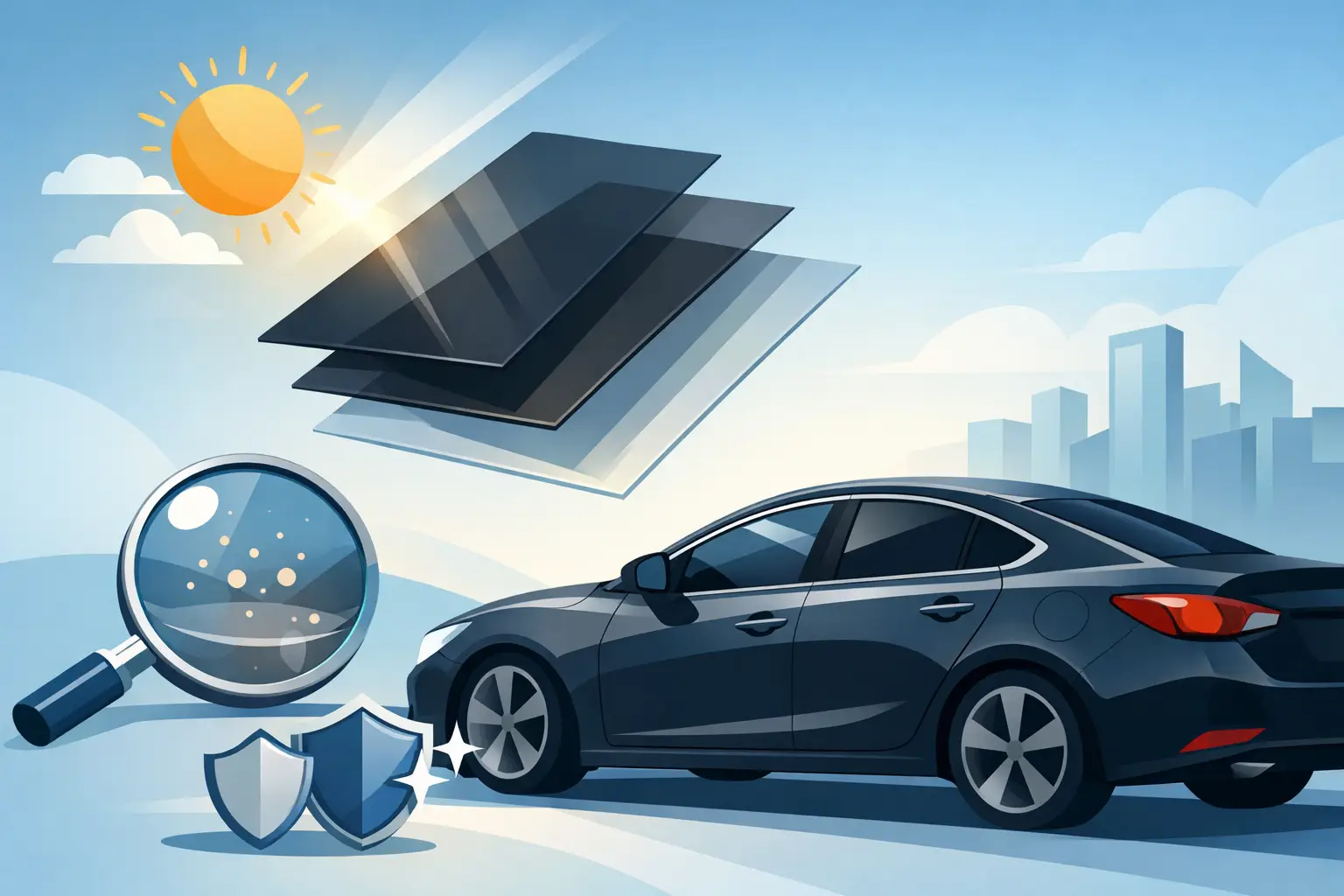
Park a dark interior under the Malaysian sun for twenty minutes and you can feel the difference before you even touch the steering wheel. That is where a proper nano ceramic window tint review matters. Not because tint is trendy, but because the wrong film can leave your cabin hot, your visibility compromised, and your car looking like it got a quick fix instead of a premium finish.
Nano ceramic tint has earned attention for a reason. It is designed for drivers who want strong heat rejection, UV protection, and a clean, high-end look without the mirror-like appearance or signal interference that older films are known for. But like most things in car styling, the answer is not as simple as saying ceramic is always the best. It depends on your car, your expectations, and how well the film is installed.
Nano ceramic window tint review – what it actually means
A lot of tint discussions get lost in technical jargon. Strip that away, and nano ceramic tint is basically a film infused with microscopic ceramic particles. These particles help block heat-producing infrared radiation and harmful UV rays while keeping the film stable over time.
What makes this different from basic dyed tint is performance. Dyed films mostly darken the glass for privacy and appearance. Nano ceramic films are built to work harder. They can reject a significant amount of heat even when the shade looks relatively light, which matters if you want to keep your cabin brighter without turning it into a greenhouse.
That balance is why many drivers move toward nano ceramic. You get a more refined result – less harsh glare, better comfort, and a cleaner finish that suits everything from a daily SUV to a carefully styled performance car.
Where nano ceramic tint performs well
If your biggest complaint is cabin heat, nano ceramic earns its reputation quickly. On real roads, the difference usually shows up in how fast the interior heats up, how aggressive the sun feels through the side glass, and how hard your air conditioning has to work after parking outdoors.
For drivers in hot, humid conditions, that comfort upgrade is not a small luxury. It changes the daily experience. Commutes feel less draining. Leather seats become more tolerable. Passengers in the second row stop getting blasted by direct afternoon sun.
UV protection is another genuine strong point. Good nano ceramic films are built to block the vast majority of UV exposure, which helps protect skin and also slows down fading on interior surfaces like dashboards, trims, and upholstery. If you care about preserving the look of your cabin, this matters more than people think.
There is also the signal advantage. Traditional metal-based tints can interfere with GPS, toll tags, radio quality, and mobile reception. Nano ceramic films generally avoid that issue, which makes them especially attractive for newer cars packed with electronics.
The trade-offs most reviews skip
A fair nano ceramic window tint review should admit that ceramic is not magic. It is a premium material category, but it still has limits.
First, heat rejection depends on the actual film specification, not just the word ceramic on a brochure. Some films market themselves well but underdeliver in real-world comfort. Two ceramic tints can behave very differently depending on infrared rejection, total solar energy rejection, shade level, and overall film construction.
Second, visibility at night still matters. If you choose a film that is too dark for your driving habits, especially on side and rear glass, even a high-quality ceramic film can feel restrictive in poorly lit areas or during heavy rain. Premium performance should never come at the cost of confidence behind the wheel.
Third, installation quality changes everything. A great film installed poorly will show contamination, edge lifting, haze issues, or uneven finishing. On a premium car, those flaws stand out immediately. On any car, they become annoying every single day.
How nano ceramic compares to other tint types
Basic dyed tint is usually chosen for appearance and entry-level privacy. It can make the glass look darker, but it is generally weaker when it comes to long-term heat control. It may also fade faster over time.
Metalized films improve heat rejection compared to basic dyed options, but they can create signal interference. That trade-off feels outdated for drivers who rely on connected features and expect modern convenience from their car.
Nano ceramic sits higher because it aims to combine performance with a cleaner ownership experience. Better heat control, strong UV blocking, and minimal interference make it the more complete option for many drivers. The catch is simple – the category includes both excellent and average products, so you cannot judge quality by the label alone.
What to look for in a nano ceramic window tint review
The most useful reviews focus less on hype and more on ownership reality. Ask whether the tint keeps the cabin noticeably cooler after open-air parking. Ask whether the installer explained film options clearly instead of pushing the darkest shade. Ask whether the finish looks factory-clean from both inside and outside the vehicle.
You should also pay attention to clarity. Good ceramic tint should not make the world look muddy, distorted, or oddly hazy. From the driver’s seat, the film should feel almost invisible in terms of optical quality, especially during daytime driving.
Durability is another marker. A strong review should mention whether the film stays consistent over time without peeling, bubbling, discoloring, or developing a purple cast. A premium tint should age gracefully, not look tired after one hot season.
Why install quality matters as much as the film
This is where many car owners either love their tint or regret it. Even top-tier film can be let down by rough cutting, dirty glass prep, careless shrinking, or poor edge finishing.
A proper install starts before the film touches the glass. The surface needs to be cleaned thoroughly, and the technician needs the skill to shape the film precisely to modern curved windows. That sounds basic, but it is where craftsmanship shows. The final result should feel intentional, not rushed.
For high-end or enthusiast-owned cars, this matters even more. The tint should complement the car’s design language. It should sharpen the look, not cheapen it. A well-installed nano ceramic film gives the glass a smooth, premium presence that suits both understated builds and bolder styling packages.
Is nano ceramic worth it for everyday drivers?
Yes, if your priorities are comfort, interior protection, and a more premium finish. It is especially worthwhile for people who park outdoors, drive during peak daytime heat, or spend a lot of time in traffic.
It is also a smart choice for owners who want performance without the drawbacks of old-school reflective or metal-heavy films. If your car is already part of your personal style, nano ceramic tint feels less like an accessory and more like a finishing layer.
That said, not every driver needs the same setup. A family SUV, a city-driven sedan, and a weekend sports car may all benefit from nano ceramic film, but the ideal shade and performance balance will differ. The right recommendation should feel tailored, not generic.
Nano ceramic window tint review – who should choose it
Nano ceramic is a strong fit for drivers who are done settling for average. If you want a cooler cabin, cleaner aesthetics, and better day-to-day usability, it checks a lot of boxes. It is particularly appealing for people who care about both protection and presentation – owners who see their car as more than transportation.
For vehicles with premium interiors, custom styling, or long-term ownership plans, it makes even more sense. Protecting the inside of the car is part of preserving the full experience. Heat, UV exposure, and glare chip away at that experience faster than most people realize.
In places like Ara Damansara and the wider Klang Valley, where sun exposure and urban driving are part of everyday life, choosing a high-performance tint is not about being excessive. It is about making the car feel better every time you get in.
A smart tint decision should leave you thinking less about heat, glare, and cabin discomfort – and more about enjoying the drive. That is the real benchmark. If a nano ceramic film gives you that while keeping the car sharp, comfortable, and true to its character, it has done its job well.