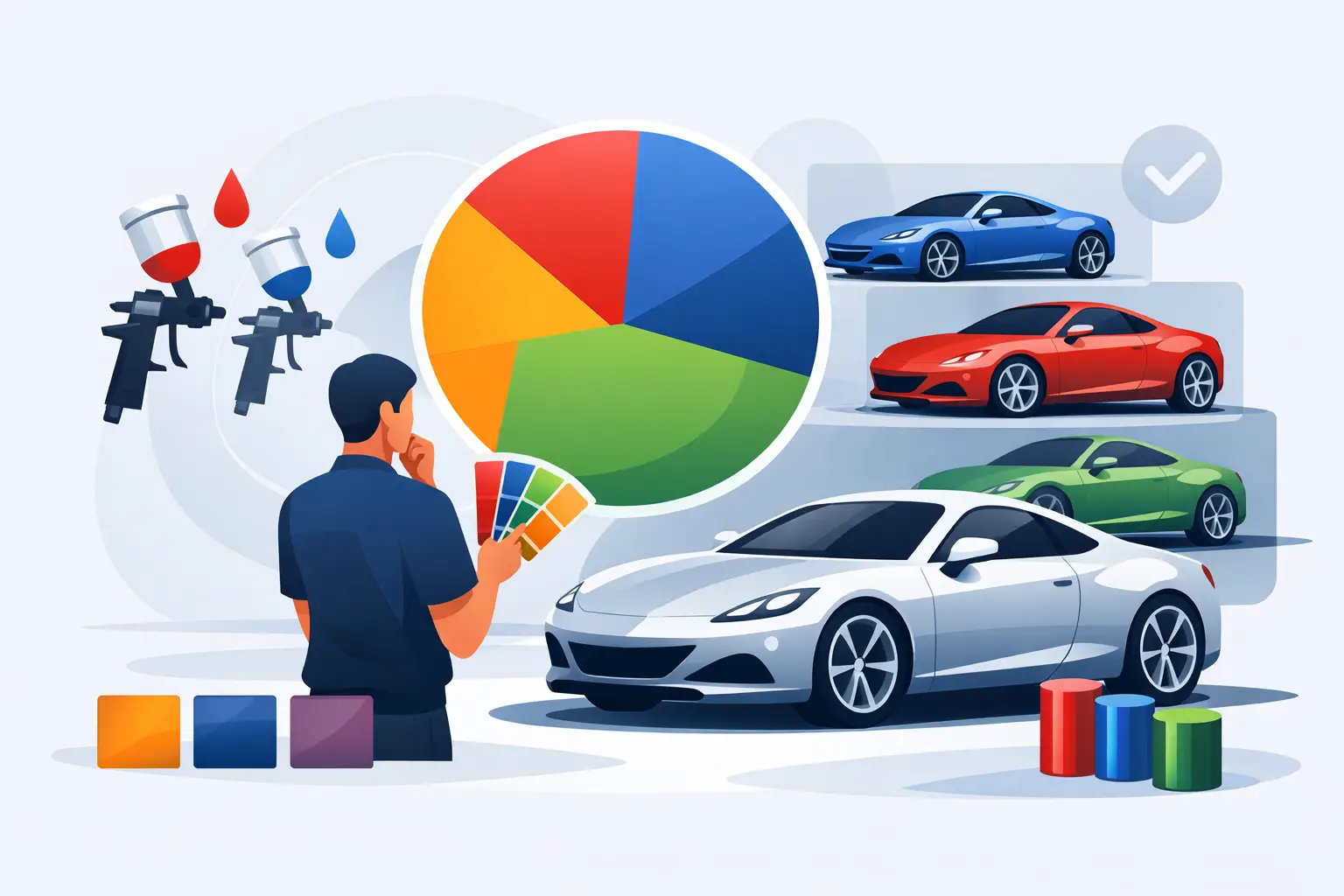
The wrong wrap color does not just miss the look you wanted – it can make a sharp car feel ordinary, high-maintenance, or strangely out of character. If you are wondering how to choose car wrap color, the best starting point is not the swatch book. It is your car, your lifestyle, and the kind of reaction you want the vehicle to create every time it pulls up.
A great wrap color should feel intentional. It should suit the body lines, fit your daily use, and still look right after the first week excitement wears off. That is where many owners get stuck. A color that looks incredible on a supercar in a studio may feel too loud on a daily SUV. A subtle satin gray may look premium on one model and flat on another. Choosing well is less about chasing trends and more about reading the car properly.
How to choose car wrap color for your car
Start with the personality of the vehicle itself. Every car has a visual identity before you touch the paint. Some are aggressive and angular. Some are elegant and clean. Some have compact proportions that suit playful colors, while larger executive sedans and SUVs often carry darker or more restrained tones with more authority.
If your car has sharp creases, large intakes, black trim, and a sporty stance, stronger colors and technical finishes usually work well. Gloss metallic blue, satin dark gray, or deep green can add drama without looking forced. If the design is more timeless and refined, softer neutrals, silver tones, satin champagne, or understated metallics tend to elevate the shape instead of overpowering it.
This is also why copying another build rarely works perfectly. A wrap that looked amazing on a Porsche coupe may not translate the same way onto a family SUV or executive sedan. The shape changes everything. Good color selection respects proportion, ride height, trim details, and wheel design.
Decide whether you want attention or sophistication
This is the real fork in the road. Some owners want heads turning at traffic lights. Others want a finish that whispers premium from up close. Both directions can look exceptional, but mixing them halfway often creates confusion.
If you want maximum presence, brighter colors, vivid metallics, or bold matte finishes make sense. They photograph well, stand out in parking lots, and immediately separate your car from stock traffic. The trade-off is that these choices attract more attention every day, not just on weekends. That can be exactly the point, or it can become tiring if you prefer a quieter look over time.
If you want long-term elegance, richer neutrals usually age better. Satin black, frozen gray, deep navy, gunmetal, or muted earth tones tend to feel more expensive and less trend-driven. They also work better across business settings, family use, and premium daily driving. Sophisticated does not mean boring. It means the color still feels right six months later, not just in the first Instagram post.
The finish matters as much as the shade
One of the biggest mistakes in choosing a wrap is focusing only on the color chip and ignoring the finish. Gloss, matte, satin, and metallic versions of similar shades can create completely different personalities.
Gloss feels closest to paint. It reflects more light, looks clean and familiar, and usually suits owners who want a factory-plus result. If you love a polished, rich appearance, gloss is often the safest premium choice.
Matte is more dramatic and more stylized. It flattens reflections and gives the car a more aggressive visual presence. On the right body shape, it looks stunning. On the wrong one, it can hide contours and make the car appear less defined. It also requires more mindful care because fingerprints, water spots, and surface marks can stand out differently than on gloss finishes.
Satin sits in the sweet spot for many enthusiasts. It has more softness than gloss and more richness than matte. In practice, satin often gives a modern, upscale look without feeling too flashy or too plain. Metallic and pearlescent finishes add depth, especially under direct sun, which is a big deal in Malaysia where daylight is intense and your wrap will be seen under strong natural light most of the year.
Think about Malaysian roads, weather, and daily use
A wrap color does not live in a studio. It lives under harsh sun, rain, dust, highway grime, and crowded parking lots. That should influence your choice more than many people realize.
Lighter colors tend to show dust less obviously and can feel visually cleaner between washes. Darker wraps often look incredible when freshly detailed, but they may reveal dirt, water spotting, and road film faster. Black, dark navy, and very deep gray are beautiful, but they demand more upkeep if you want them looking crisp every day.
If your car spends a lot of time outdoors in a tropical climate, the way a finish reacts to sunlight matters too. Metallics and pearls can come alive beautifully in bright conditions. Flat tones can look elegant, but some may appear more muted than expected when covered in daily road dust. This does not mean dark or matte finishes are bad choices. It simply means your ideal color should match your tolerance for maintenance.
For a true daily driver in Petaling Jaya, Subang, or around the wider Klang Valley, practicality matters. A wrap should still look rewarding on a Monday commute, not only after a weekend detail.
Match the wrap to your trim, wheels, and glass
Car wrap color never exists alone. It interacts with the rest of the vehicle. Black trim, chrome accents, wheel finishes, brake calipers, and window tint all shape the final result.
A satin olive wrap with silver wheels feels very different from the same wrap paired with gloss black wheels and dark glass. A white wrap with chrome trim can look classy on one luxury sedan but slightly mismatched on a more performance-focused build. Before finalizing a color, step back and picture the whole composition.
This is especially important if your car already has styling upgrades. Front lips, diffusers, spoilers, and bodykit elements can push the build in a more aggressive or premium direction. The wrap should support that direction, not fight it. If the hardware is bold, a cleaner color may balance it. If the car is visually simple, a more expressive finish can add the excitement.
Trendy or timeless? Be honest with yourself
Trends are not the enemy. Some are genuinely great. The problem starts when owners choose a color because it is popular online, not because it fits their taste or their car.
If you change cars frequently or enjoy refreshing your look often, trend-led colors can be fun. Frozen purples, unusual bronzes, pastel tones, and striking satin blues can make the car feel current and memorable. If you plan to live with the look for years, timeless usually wins. Deep grays, elegant greens, rich whites, silvers, and well-chosen blacks remain easier to enjoy over the long run.
A good question to ask yourself is simple: would I still choose this color if no one else saw it online first? If the answer is yes, you are probably closer to the right decision.
How to narrow down your options without second-guessing
When people have access to hundreds or even thousands of wrap colors, the hardest part is not finding a nice one. It is eliminating all the ones that are almost right. The easiest way to avoid decision fatigue is to filter by three things first: mood, maintenance, and finish.
Decide whether you want bold or understated. Decide how much upkeep you are realistically comfortable with. Then decide whether you want gloss, matte, satin, or something with more visual depth. Once those are clear, your shortlist becomes much more manageable.
From there, compare colors on actual vehicle panels when possible, not tiny swatches alone. Curves, reflections, and panel size change the way a wrap reads. A small sample may look understated, then feel much brighter once it covers an entire hood and door set. This is where an experienced studio eye matters. Sometimes the best recommendation is not your first pick, but the version of it that works better on your exact model.
The best wrap color feels like your car, upgraded
The smartest color choice is usually not the wildest one or the safest one. It is the one that makes your car look more like itself – sharper, more premium, more individual. That is why the best wraps feel effortless. They do not look random. They look resolved.
At Project Unicorn, that is how we approach transformation. Not as a color menu, but as a design decision tied to body shape, finish, environment, and ownership style. When those pieces align, the result does more than turn heads. It feels right every time you walk back to the car.